Introduction
Okay, quick question before we start. Remember the last time your routine got completely flipped a new job, a breakup, moving to a city you’d literally never set foot in before? Your stomach probably dropped a little right before it got exciting.
Mine did. Last time I switched careers I told myself, for months, that I was “just weighing my options.” I wasn’t. I was scared and calling it strategy.That’s basically what fear of change feels like from the inside, if I’m being honest.
It’s one of the most common emotional reactions people go through, and almost nobody gets out of it clean. Doesn’t matter if the change got forced on you or you picked it yourself the nervous system reacts first and asks questions later.
That’s just how the wiring works, for pretty much everyone, whether they’ll admit it or not.
What Is the Fear of Change?
Fear of change metathesiophobia, if you want the ten-dollar clinical word is basically discomfort or anxiety around anything unfamiliar. Sometimes it’s loud. A knot in your stomach the night before a big decision.
Sometimes it’s tiny, barely there, just a flicker when a coworker suggests doing something slightly different than usual. Here’s what most people don’t realize: a bit of hesitation isn’t a flaw. It’s your brain doing its job a little too well, honestly.
When Fear of Change Turns Into Avoidance
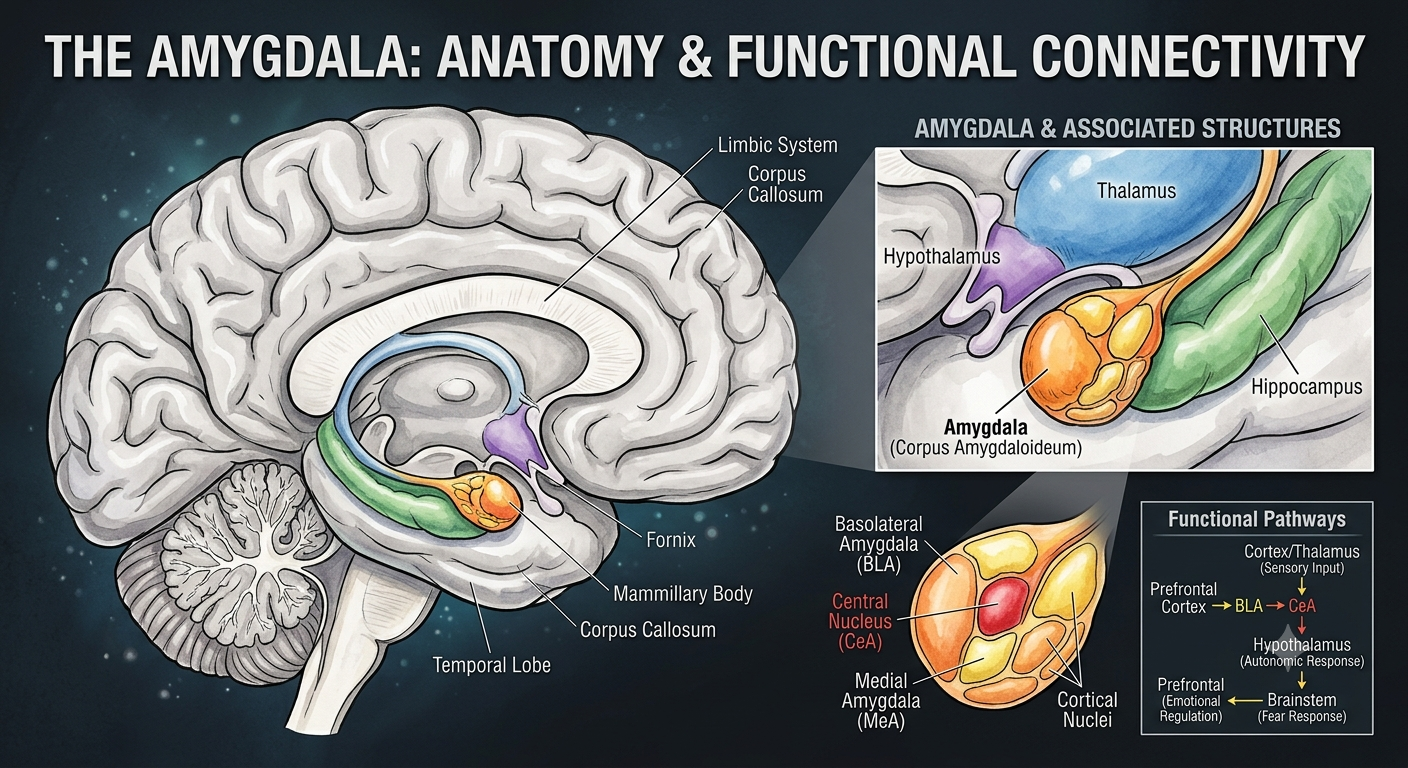
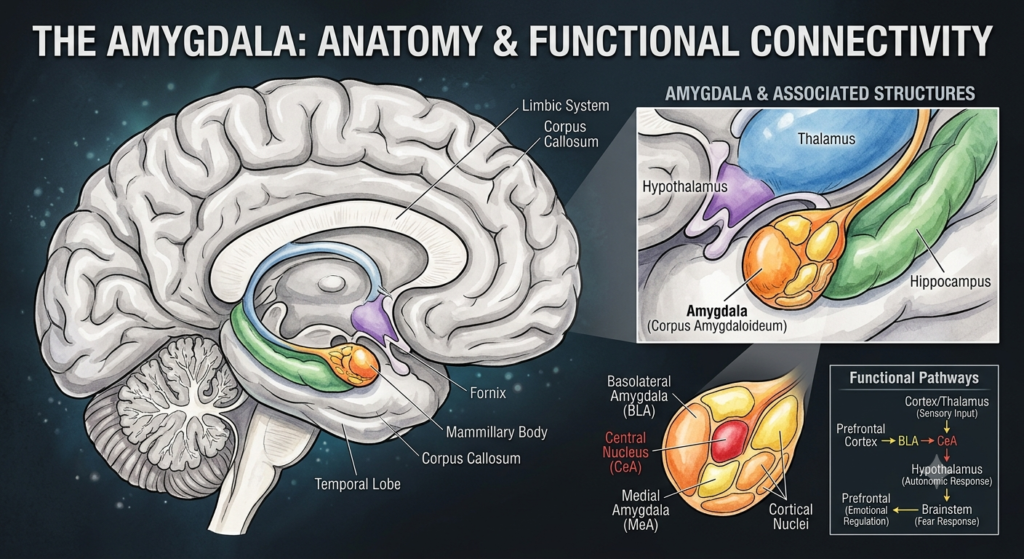
Something new shows up, and the amygdala brain’s alarm system. Roughly speaking flags it as a potential threat before your rational mind even gets a vote.
That’s the whole reason an exciting opportunity can still feel, physically, like a siren going off behind your ribs. Annoying, but that’s the mechanism.
It becomes an actual problem once hesitation turns into avoidance. Once you start skipping real chances just to stay comfortable.
There’s a genuine line between healthy caution the kind that helps you plan properly. And the kind of fear that just keeps you circling the same spot for years, going nowhere.
Is Fear of Change Normal?
More normal than people say out loud, if we’re being real. Almost everyone resists a little when their environment shifts, because the brain defaults toward familiar it’s cheaper, energy-wise, than processing something brand new.
So if you’ve hesitated before a big decision? You’re not broken, You’re just a person with a brain. That said normal doesn’t mean you’re supposed to stay stuck there. Those are two different things, and people mix them up constantly.
Why Do People Fear Change?
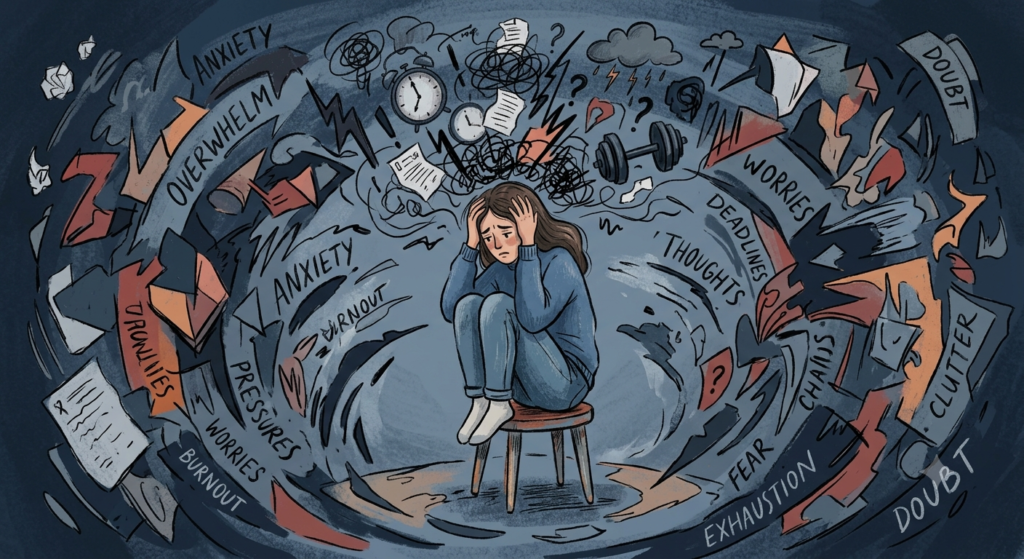
It’s usually a mess of psychology, past experience, and plain biology, tangled together and most of us are carrying a bit of all three without ever clocking it.
Fear of the Unknown
Uncertainty is just uncomfortable. When you don’t know what’s coming, your brain fills the blanks in for you, And it almost always reaches for the worst version because that’s the version that keeps you alive if it turns out true.
Add a loss of control on top, and the discomfort compounds fast. Behavioral economists actually have a term for part of this: loss aversion.
Feeling a potential loss way more sharply than an equivalent gain feels good. Change gets mislabeled as loss constantly, even when it isn’t one.
Fear of Failure
Nobody likes mistakes. Especially the expensive kind money gone, time gone, a hard-won shot wasted. This fear is a big reason good ideas just sit in someone’s notes app for years, untested, going nowhere.
Fear of Judgment
A surprising number of people stay stuck not because the change scares them, exactly, but because they’re bracing for what everyone else is going to say about it. Family. Coworkers. That one relative who’s got an opinion on absolutely everything. Social media doesn’t help.
Comfort Zones Feel Safe (Even When They Really Aren’t)

Routine equals predictable, and predictable reads as safe to your brain, whether or not it’s actually good for you. A miserable-but-familiar routine can genuinely feel safer than an unfamiliar one. Weird trick, if you sit with it long enough.
Past Negative Experiences
If a previous change went badly failed business, a layoff nobody saw coming. A breakup that hurt more than you expected it to your brain files that away. Remembers it.
Treats similar-looking situations as threats going forward, even years later. Even when the new thing barely resembles the old one. Fear of change tends to get stronger after one bad experience, not weaker.
Worth sitting with, next time you catch yourself hesitating for a reason you can’t quite name.
Signs You Are Afraid of Change
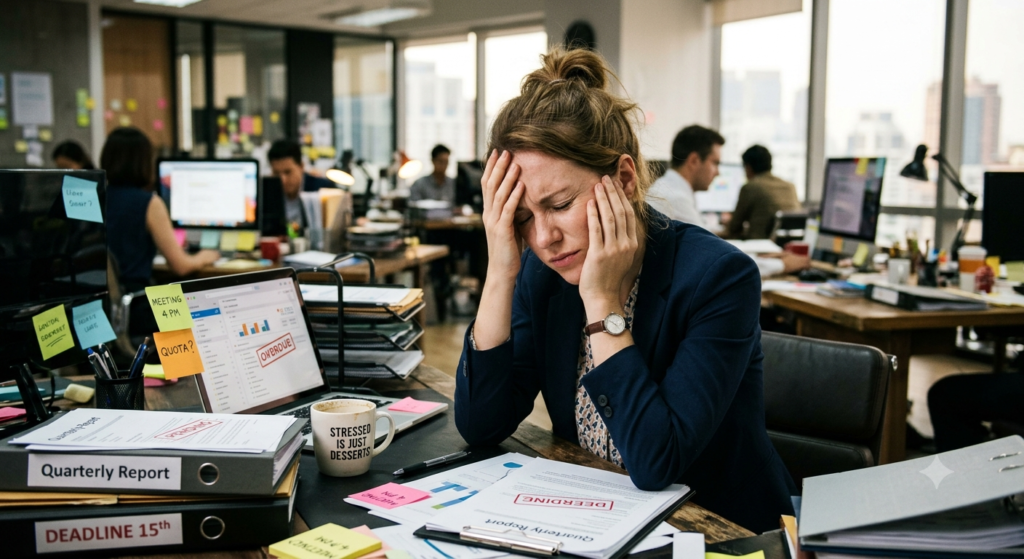
Sometimes it’s obvious. Other times it hides behind words like “practical” or “just being careful” which, to be fair, is sometimes true. And sometimes just fear wearing a disguise. A few common tells:
- Overthinking every decision, even the ones that genuinely don’t matter
- Avoiding new opportunities without a real reason why
- Procrastinating on things you actually want to do
- Asking everyone around you for reassurance before you’ll act
- Feeling anxious the second the future turns even slightly uncertain
- Staying in situations that clearly aren’t working, purely because they’re familiar
| Fear-Driven Behavior | Growth-Driven Behavior |
|---|---|
| Waits for certainty before acting | Acts on partial information |
| Asks everyone for approval first | Trusts their own judgment |
| Avoids new opportunities entirely | Tests small opportunities first |
| Stays in bad situations out of habit | Leaves once something stops working |
How Fear of Change Affects Your Life
Left alone, this fear doesn’t just sit quietly somewhere in the background. It shapes real outcomes, slowly, over years the kind you usually only notice in hindsight.
Career-wise, people pass on promotions they were genuinely qualified for. They stay in jobs that stopped fitting years ago, because the role at least feels known.
Mentally, constant resistance to change wears you down in a way that’s hard to explain unless you’ve actually lived it. Shows up as stress. A slow erosion of confidence you don’t notice until it’s mostly gone.
And on the personal-growth side, missed chances just pile up quietly. Regret, more often than failure, tends to be what people report feeling when they look back on it all years later.
How to Embrace Change

So how do you actually move past fear of change. Instead of just nodding along while reading an article about it? Start small. Genuinely small smaller than feels reasonable.
None of this asks you to feel brave first. You act, and the confidence shows up a little after, not before. Which is annoying, honestly, but it’s kind of the whole trick.
Take Small Steps Instead of Big Leaps
Accept that change is inevitable fighting the inevitable just burns energy you could’ve spent adapting instead. You don’t need to overhaul your whole life this weekend, just pick one action and do it this week, that’s genuinely it.
Focus on what you can control, because outcomes were never really yours to control anyway effort, attitude, and preparation are. When your brain jumps straight to the worst-case scenario, pause and ask whether that’s actually likely.
Just fear narrating the same story it always tells. Treat failure as information instead of proof you shouldn’t have tried, then keep going anyway.
Celebrate Small Wins
Try to build something closer to a growth mindset people who see abilities as things they can develop tend to handle change noticeably better than people who treat them as fixed.
And celebrate the small wins, actually celebrate them. Sent that application? Had the hard conversation you’d been putting off? That counts. Momentum builds confidence, and confidence is what slowly wears fear of change down, one small win at a time.
Real-Life Examples of Embracing Change
- Changing careers after a decade in something totally unrelated
- Starting a business with zero guarantee it’ll work
- Moving to another city for a real, honest fresh start
- Learning a new skill later in life, just because it sounded fun
- Recovering after failure and trying again, a little wiser
Benefits of Embracing Change
| Change | Benefit |
|---|---|
| New Skills | Personal Growth |
| Career Change | Better Opportunities |
| Healthy Habits | Better Health |
| New Relationships | Stronger Connections |
| Taking Risks | Greater Confidence |
Common Myths About Change
| Myth | Reality |
|---|---|
| Change always ends badly | Most changes end up neutral or genuinely positive |
| Successful people aren’t afraid | Most of them were afraid too — they just acted anyway |
| It’s too late to change | Growth doesn’t come with an expiration date |
| Confidence comes before action | Confidence usually shows up after the action |
Key Takeaways
- Fear of change is a natural, near-universal response, not a personal weakness.
- The brain defaults to familiarity because it’s simply less energy-intensive.
- Small, consistent action beats waiting around for confidence to show up first.
- Growth almost always asks for a bit of discomfort somewhere along the way.
- Confidence tends to follow action, not the other way around, no matter how much we wish it worked differently.
- One bad experience can quietly amplify fear of change for years if it’s never examined.
Real Case Studies
IBM – Hardware se Services Shift (Early 2000s)
IBM ko jab hardware business se services business ki taraf move karna pada, to employees mein bada resistance tha. Company ne transparent communication aur extensive training dekar employees ka fear kam kiya.
Barclays – LIBOR Crisis ke baad Trust Rebuild
Barclays changed its culture from performance-driven to customer-service-focused after the LIBOR scandal. Job losses and branch closures affected employee morale, but the transformation led to an 8% increase in the share price.
Not usually. A mild version is just a normal response to uncertainty nothing wrong with you. It only crosses into clinical territory, sometimes labeled metathesiophobia, when it’s severe enough to actually get in the way of daily life.
Yes, though it’s rarely one big dramatic breakthrough like in the movies. It’s more like repeated exposure. Small steps, over and over, until the fear becomes… manageable. Not gone, necessarily. Just manageable.
Depends on the person and the situation, honestly. Most people start settling in within a few weeks of consistent exposure to whatever the new normal turns out to be.
Go smaller than feels necessary. Almost embarrassingly small. One low-risk action builds just enough confidence for the next one — that’s really the whole engine behind all of it.
Conclusion
Change is uncomfortable. It probably always will be, at least a little, no matter how many times you go through it. But avoiding it doesn’t make the discomfort disappear it just delays whatever growth was waiting on the other side.
Every achievement you’ve ever admired in someone else started with them stepping into some kind of uncertainty anyway, usually without feeling fully ready for it.
You don’t need to feel ready either. You just need one small step, even with fear of change sitting right there next to you the whole time, not going anywhere.
Leave a Reply