Introduction
It’s 11 p.m. Exam’s in two days. You sat down at 8 with every intention of doing three solid hours. Somewhere in there you reorganized your desk for no reason, watched “one.” YouTube video that became six, and got dragged into a group chat that ate 40 minutes.
you genuinely did not have. Now you’re staring at the same paragraph you opened four hours ago. If we’re being honest, the guilt is what’s keeping you up at this point, not the coffee.
If that hit a little too close you’re not lazy, and there’s nothing wrong with you. Here’s what actually surprised me when I looked into this properly. It’s not a willpower thing. It’s not about buying a nicer planner or telling yourself to try harder.
What Is Procrastination, Really?
Procrastination is putting off something you genuinely intend to do. Even though part of you already knows the delay is going to cost you. That last bit is the whole distinction from laziness, really. Laziness is just not caring.
Procrastination is wanting to study, planning to study, sitting down to study and somehow still not opening the book.
The Psychology Behind Study Procrastination
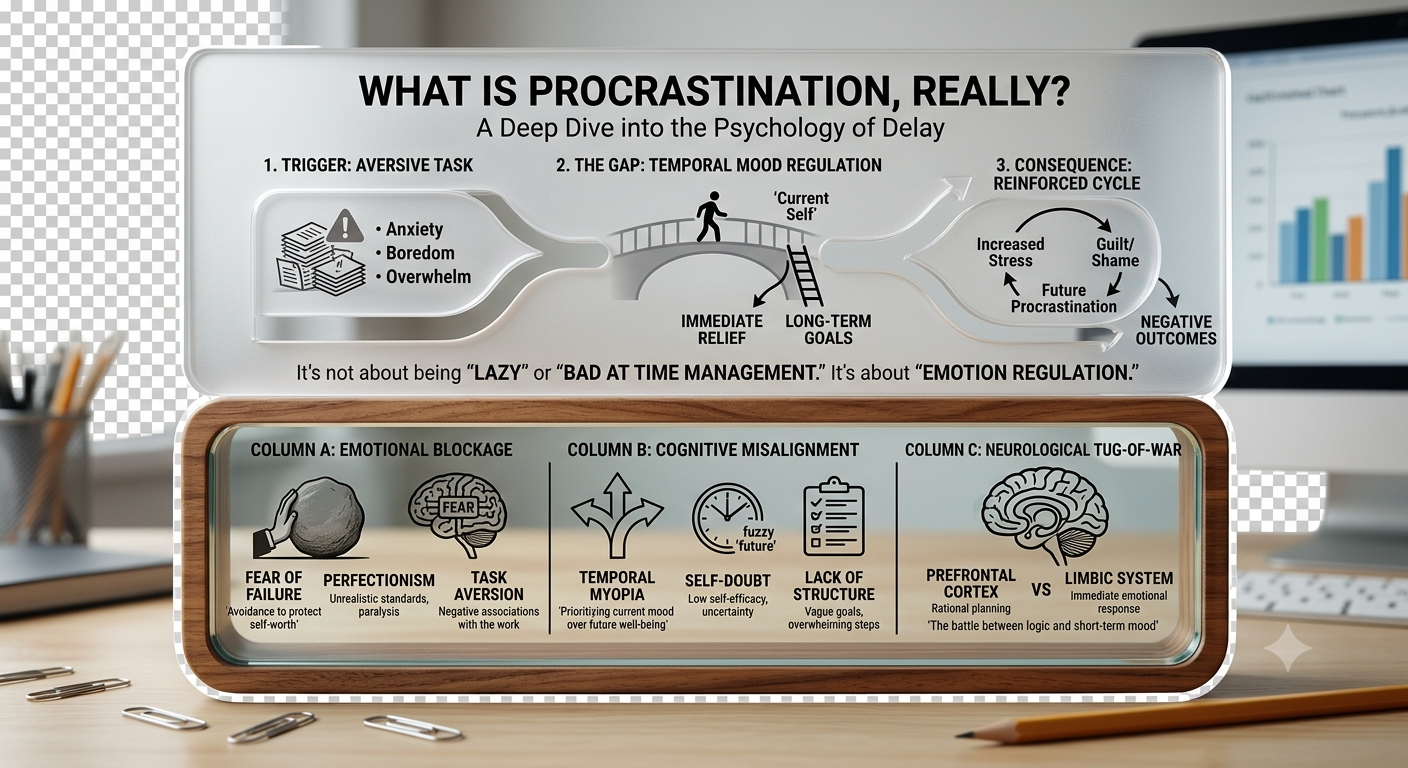
People used to treat this purely as a time-management issue. Better schedule, problem solved. Except that’s not quite it. Psychologists Fuschia Sirois and Timothy Pychyl describe procrastination as a self-regulation failure tied to short-term mood repair rather than poor planning.
Translation: when something feels unpleasant, your brain goes looking for a fast way to feel better. Closing the textbook to check Instagram does that job perfectly. For about ninety seconds, anyway, before the guilt shows up
Which changes the whole picture. Study procrastination isn’t a productivity glitch you patch with an app. It’s more like an emotional exit door. And that means fixing it means dealing with the feeling first the calendar comes second.
Why Students Procrastinate
Ask ten students why they keep putting off studying and you’ll hear ten different excuses. Underneath most of them, though, it’s the same handful of things.
Fear of Failure and Perfectionism
Fear of failure is a big one when a task feels like it’s testing whether you’re actually smart. Avoiding it just feels safer than trying and coming up short. Perfectionism works in a weirdly similar way.
If you can’t do it perfectly, some part of your brain quietly decides not starting is the better option. Sounds backwards, but it’s incredibly common, especially among students who care the most.
Why Boring Study Material Leads to Procrastination
Boring, confusing, overwhelming any of those trigger the exact negative emotions Sirois and Pychyl were talking about. You delay to get away from that feeling, not because you’re bad at managing your time.
Digital distraction doesn’t help either, obviously. Social media apps are basically engineered to give you a fast, reliable dopamine hit. That’s just a much easier reward to reach for than an unfinished essay.
When Too Many Choices Stop You From Starting
When decision fatigue creeps in not knowing exactly what to study first turns “figure it out” into its own exhausting task. One your brain would honestly rather skip. Mental overload, boredom, all of it pushes the same direction.
Notice a pattern here? Almost none of this is really about time. It’s emotional, start to finish. Keep that in mind, because it’s the reason the strategies further down look the way they do.
What Happens Inside the Brain When You Procrastinate
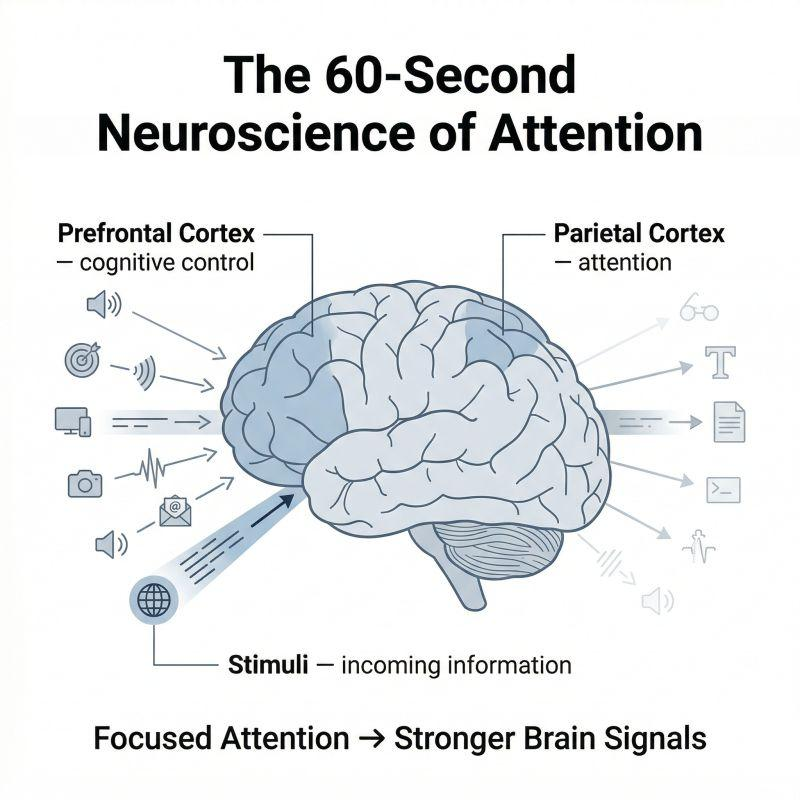
Two systems, basically at war, every single time you decide between studying and scrolling.
The Battle Between Your Prefrontal Cortex and Limbic System
Your prefrontal cortex is the planner thinks about deadlines, GPA, what future-you is going to need. Your limbic system is older, faster, and does not care one bit about next week’s exam.
It cares about right now, and it hands out dopamine for anything that brings quick relief. Checking your phone, for instance.
The Psychology of Habit Loops and Studying
When a task feels unpleasant, the limbic system usually wins. Not because you’re weak-willed it’s just faster. A lot more emotionally convincing than the prefrontal cortex’s slow “but think about the consequences” routine.
Do this enough times and it turns into a habit loop: open the textbook (cue), reach for the phone instead (routine), feel that little wave of relief (reward).
Run that loop a few hundred times and it stops feeling like a choice. It starts feeling automatic, almost involuntary, even when some part of you genuinely wanted to study.
Signs You’re Trapped in Study Procrastination
A quick gut-check. You keep saying you’ll study “later,” and later has a habit of never showing up. Closing your books gives you this immediate wave of relief that somehow turns into guilt an hour after.
You clean your room, run errands, reorganize your files anything to dodge the actual task (there’s even a name for this, “productive procrastination”). You’re waiting for motivation to arrive before you start, and it just doesn’t.
You’ve pulled all-nighters for deadlines you’ve known about for weeks. You reread the same page five times and none of it sticks, because half your brain is still on your phone. If three or more of those sound like you, keep going the next part is built exactly for this.
Science-Backed Ways to Stop Procrastinating While Studying
Okay, here’s the actual useful part. Not random productivity-blog tips each of these has either solid research or a clear psychological mechanism behind it.
If-then planning (implementation intentions)
A meta-analysis by Gollwitzer and Sheeran looked at separate studies. Found implementation intentions had a medium-to-large positive effect on whether people actually followed through on their go.
Deciding the when and where ahead of time takes away the in-the-moment negotiation with yourself. That negotiation is basically where procrastination wins every time.
Active recall instead of rereading
Quiz yourself on the material rather than skimming your notes for the fifth time. Takes more effort up front, sure, but it builds way stronger memory, and honestly. It also makes the session feel like it’s going somewhere, which cuts down on the boredom that fuels avoidance to begin with.
The two-minute rule
Anything under two minutes, just do it now. Open the document. Write one sentence. Pull up your notes, This isn’t really about the task it’s about beating the resistance to starting. Which is almost always the hardest part of the whole thing.
Remove the distraction before you need willpower for it
Phone in another room. Website blocker on during study blocks. Most procrastination sneaks in through tiny in-the-moment decisions (“should I just check this one notification real quick?”) take the decision away entirely.
Build a Study Routine That Prevents Procrastination
One good trick gets you through a day. A routine gets you through a semester.
Build a Simple Study Planning Routine
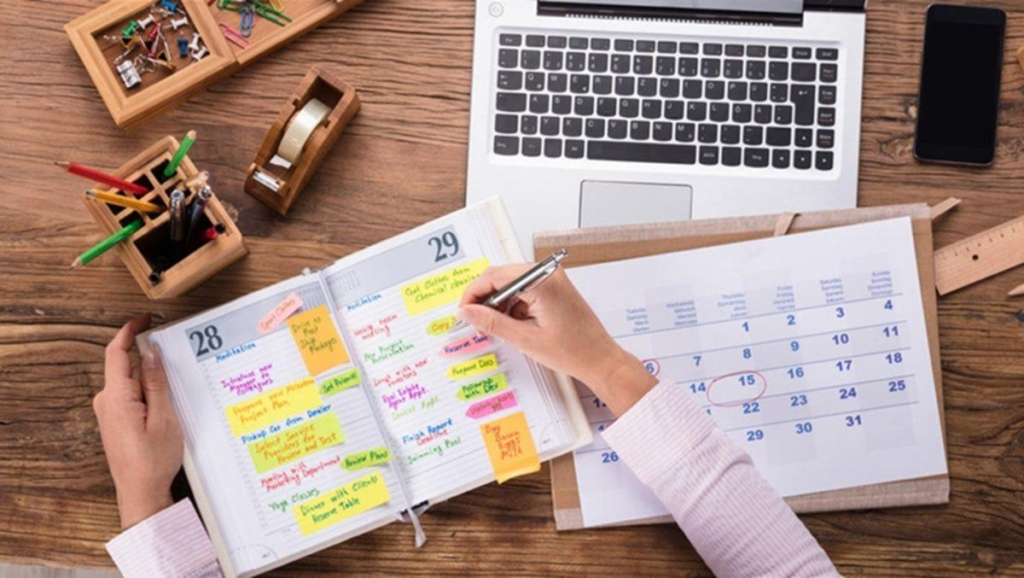
Mornings glance at your day’s study blocks before you check your phone,. So the first thing your brain does is plan, not scroll. Evenings five minutes, tomorrow’s specific tasks.
Not “study biology,” that’s too vague to actually act on, but something like “review chapters 4–5 using active recall.” Sundays fifteen, twenty minutes, mapping the week’s deadlines onto your calendar. So you’re not figuring it out on the fly every day.
Protect Your Brain With Healthy Study Habits
Breaks between Pomodoro blocks, longer ones between subjects. And don’t skip sleep. This one’s easy to brush off, but sleep deprivation actually weakens your prefrontal cortex’s ability to override that pull toward instant gratification
So less sleep basically means more procrastination, not just more tiredness the next morning. Regular movement, decent meals same story. They support the exact self-control systems you’re leaning on to resist your phone in the first place.
Best Apps to Help You Stop Procrastinating
| App | What It Does |
|---|---|
| Forest | Grows a virtual tree while you stay off your phone — leave the app, the tree dies |
| Notion | Keeps notes, study plans, and deadlines in one workspace |
| Todoist | Fast, no-frills task management with reminders |
| Google Calendar | Easiest free option for time blocking your week |
| TickTick | To-do list plus a built-in Pomodoro timer |
| Freedom | Blocks distracting apps and sites across all your devices at once |
| Cold Turkey | Stricter desktop blocker — harder to talk yourself out of mid-session |
None of these actually fix procrastination by themselves, to be clear. What they do is make studying a little easier to start and distraction a little harder to reach. That’s it. But that small shift matters more than it sounds like it should.
Common Mistakes Students Make
Waiting for motivation instead of just starting and letting it catch up later. Multitasking between subjects, or between studying and your phone, which shreds your attention and tanks retention.
Studying with no specific goal for the session, so it feels endless and easy to bail on. Keeping the phone within reach “just in case,” which keeps the temptation alive the whole time.
Pulling all-nighters, which sacrifice sleep and the self-control sleep actually gives you. Perfectionism waiting for conditions to feel “right” before starting, when they rarely do. And treating rest like it’s optional instead of part of the actual studying process.
A 7-Day Anti-Procrastination Challenge
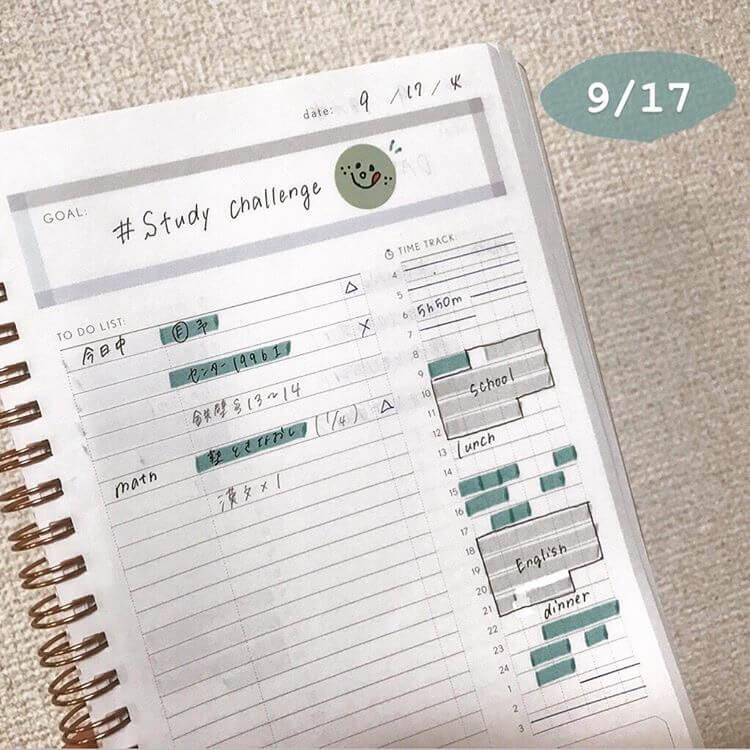
Nothing complicated. Just seven small steps to build momentum back up.
- Day 1 — Write one if-then plan for tomorrow’s study session.
- Day 2 — Do a single 25-minute Pomodoro block, phone in another room.
- Day 3 — Try active recall instead of rereading, just for one topic.
- Day 4 — Time-block your whole day the night before.
- Day 5 — Find your biggest distraction and block it for the day.
- Day 6 — Stack a 10-minute review onto something you already do daily.
- Day 7 — Look back. Which one made starting feel easiest? Keep that one going.
Real-Life Patterns From Research and University Learning Centers
Active Learning Reduced Procrastination and Improved Performance
A study published in the Proceedings of the National Academy of Sciences (PNAS) looked at 225 studies of the effects of traditional lectures versus active learning.
They discovered that students who employed active learning strategies like self-testing. Practice questions and problem-solving showed better academic results and during study sessions were more engaged.
Bonus (University Learning Center Example)
Many university learning centers recommend breaking study sessions into 25-minute Pomodoro blocks with short breaks. Students often report that smaller, scheduled sessions feel less overwhelming than long, unplanned study marathons, making it easier to start studying consistently.
Frequently Asked Questions
Why do I procrastinate even when I know it’s hurting my grades?
Because it runs on short-term emotional relief, not logic. Your brain isn’t ignoring the consequences exactly it’s just picking how you feel right now over how you’ll feel later, every time.
Is procrastination just laziness with a nicer name?
Not really, no. Laziness is not wanting to act at all. Procrastination is usually real intention paired with emotional avoidance of one specific task.
How long does it take to actually break the habit?
Depends on the person, honestly. Replacing that avoidance loop with a new cue-routine-reward pattern generally takes a few weeks of doing it consistently not overnight, and that’s fine.
Can planning too much become its own kind of procrastination?
Yes, and more often than people think. Sometimes called “productive procrastination.” If planning eats more than a few minutes and starts replacing the actual studying, it’s doing the same job as scrolling would.
Should I study even when I don’t feel motivated?
Yes. Motivation shows up after you start a lot more reliably than it shows up before.
If I only do one thing from this article, what should it be?
Shrink the next task down until it’s almost too small to avoid a two-minute action, or a single 25-minute block instead of trying to fix your entire routine in one go.
Final Thoughts
Study procrastination isn’t some character flaw, and wishing you had more discipline was never going to fix it. It’s an emotional habit loop that built up over time. Which means it comes apart the same way one small, specific action at a time.
You don’t need to overhaul anything tonight. Just take one thing from this article, a single if-then plan, one 25-minute block with your phone somewhere else, whatever feels doable and use it for your very next study session. That’s usually enough to start shifting the pattern.
Leave a Reply