Introduction
My uncle still believes he only uses 10% of his brain. I’ve shown him the research. Twice. Doesn’t matter the myth’s too good a story to give up. And honestly, that’s the theme running through basically this entire article.
Some claims get repeated so often, by so many well-meaning people, that they start feeling true purely from momentum. Not evidence, Just repetition.
So here’s common science myths debunked, actually backed by something NASA, peer-reviewed journals, Scientific American. These places that check rather than just repeat what sounds good.
Five of the most stubborn myths, a quick-fire round of bonus ones. A few tricks for catching the next one before it worms its way into your group chat.
Why Myths Stick Around So Long
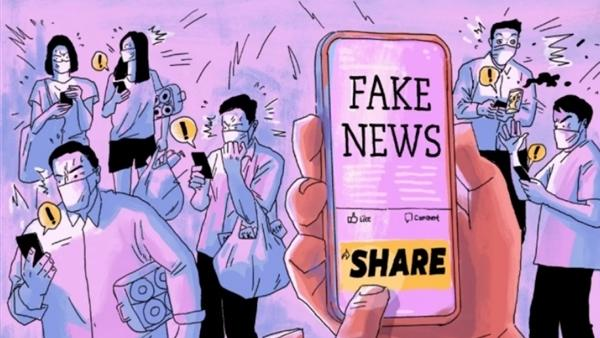
Myths survive because they’re satisfying, not because they’re true. “You only use 10% of your brain” sounds like there’s a whole untapped reserve just sitting there, waiting.
Hear something enough times, from enough people, and it starts feeling self-evidently true, evidence be damned. There’s also the question of who’s spreading it.
Teachers, parents, even doctors pass this stuff along without checking, mostly because nobody corrected them either. One study found roughly half of teachers across several countries still believed the 10% brain myth. Not stupidity.
Myth: We Only Use 10% of Our Brains
You’ve heard this one movies, motivational speakers, that one coworker obsessed with “unlocking potential.” It’s also flatly wrong. Brain scans using fMRI and PET show activity across nearly the whole brain. Even during something as boring as resting or chatting with a friend.
Neurologist Barry Gordon at Johns Hopkins has called the claim almost laughably off-base. MIT’s McGovern Institute puts it more plainly: we use the whole brain. Every day just not every region doing the exact same job at the exact same second.
Movement, memory, vision, language, often all firing at once. The myth probably traces back to a misquoted psychologist from the early 1900s. Pop culture’s been happily recycling it ever since.
Myth: The Great Wall of China Is Visible From Space

Oddly specific, weirdly persistent. Several Apollo astronauts, Neil Armstrong included, have said flat-out that the Wall isn’t visible from the Moon Armstrong’s exact words were “definitely not visible.”
Even from low Earth orbit it’s barely distinguishable, since the stone used to build it is roughly the same color as the land around it. China’s own astronaut, Yang Liwei, confirmed he couldn’t spot it either during his orbital flight. Which quietly deflated a fair amount of national pride riding on the claim.
What you actually can see from orbit: city lights, major highways, airports. Somewhat surprisingly the Great Pyramid of Giza, which has enough contrast against the sand to stand out. The Wall just doesn’t have that visual punch.
Myth: Goldfish Have a Three-Second Memory
Poor goldfish, this one’s been repeated so long it’s basically shorthand for “forgetful.” But fish cognition researchers Culum Brown at Macquarie University is one have documented goldfish memories stretching across weeks, months, sometimes over a year.
They can learn to press levers for food, navigate mazes, recognize feeding schedules. Brown told Live Science part of why the myth sticks is that fish just don’t get the attention dogs or cats. They do nobody’s rushing to correct the record for a pet you don’t cuddle.
There’s also a slightly uncomfortable theory floating around here: believing a goldfish forgets everything in three seconds. Makes keeping one in a tiny bowl feel a little less unkind. Science disagrees.
Myth: Cracking Your Knuckles Causes Arthritis
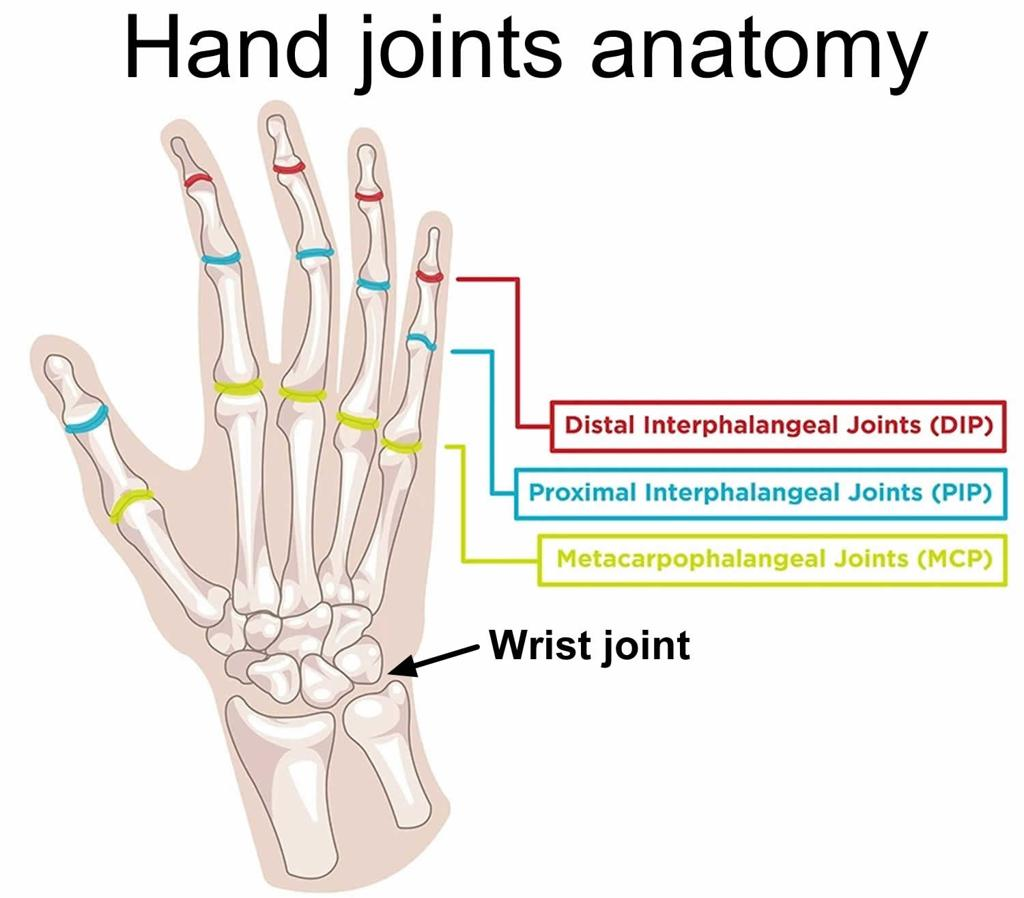
Somewhere right now, a parent is telling their kid to stop cracking their knuckles or they’ll “get arthritis.” Not true and we have a genuinely delightful piece of evidence proving it.
A physician named Donald Unger cracked the knuckles on only his left hand for over 60 years. Left the right hand alone, then compared them. No difference. He actually won an Ig Nobel Prize for the commitment.
The pop itself comes from gas bubbles collapsing in the fluid that lubricates your joints not bone grinding on bone, not cartilage wearing thin. Every study since has found no link between the habit and arthritis.
Myth: Sugar Makes Kids Hyperactive

This one’s stubborn because it feels true in the moment cake, candy. A room full of screaming eight-year-olds. But a 1995 meta-analysis in JAMA, pulling from more than a dozen controlled. Studies, found sugar has no measurable effect on kids’ behavior or cognitive performance.
Even in kids parents swore were “sugar-sensitive.” One study nailed the real driver. Researchers told a group of mothers their sons had just eaten a big dose of sugar. The boys had actually gotten a sugar-free placebo.
The mothers who believed their kids were sugared up rated them as noticeably more hyperactive anyway expectation doing all the work. The real culprit at most parties is probably the noise, the excitement, and a bedtime that got thrown out the window. Not the cupcake.
Quick-Fire Myths, Debunked
| Myth | What’s Actually True |
|---|---|
| Lightning never strikes the same place twice | It absolutely can — the Empire State Building gets hit an average of 23 times a year |
| Hair and nails keep growing after death | Skin dehydrates and pulls back after death, making hair and nails look longer; nothing’s actually growing |
| Bulls charge because they see red | Bulls are colorblind to red; it’s the cape’s movement setting them off, not its color |
| You swallow eight spiders a year in your sleep | Repeated constantly, sourced to nothing; basically a modern urban legend |
How Misinformation Like This Spreads
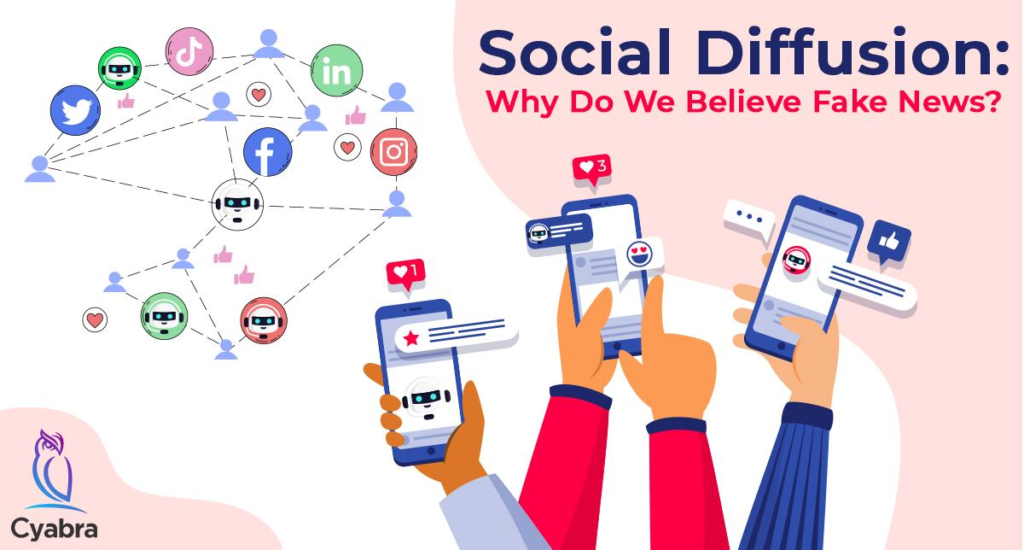
Most science myths don’t start as deliberate lies. They start as a simplification that loses its nuance somewhere along the way a scientist’s careful “under certain conditions” gets flattened into a clean, quotable claim.
Movies and textbooks repeat it because it makes a better story or an easier lesson. Pretty soon nobody remembers where it actually came from. Social media just speeds this whole process up.
A catchy myth spreads faster than any correction ever will, mostly. Because corrections are boring by comparison nobody’s sharing “actually, that’s more nuanced than it sounds.”
Researchers studying misinformation have found that plain familiarity makes something feel more true, regardless of accuracy. Which is exactly why myths debunked decades ago keep resurfacing at dinner parties like they’re brand new.
How to Spot a Science Myth Yourself
A few habits go a long way. Get suspicious of round, tidy numbers first “10%,” “three seconds,” “eight spiders a year.” Real research almost never lands on numbers that clean.
Second, check whether the claim actually traces back to a named study, or just to “scientists say,” which usually means nobody bothered checking. Third and this one’s underrated ask who benefits from the myth being true.
It’s more comforting to believe there’s untapped brainpower just waiting to be unlocked than to accept.You’re already using what you’ve got. And fourth, when you’re unsure, search the claim next to the word “myth” or “debunked.”
Real Life Examples
NASA Debunks the Great Wall Myth
Until recently, there was a popular misconception that no human-made object could be seen from orbit until the Great Wall of China came along. But, as NASA Earth Observatory notes, the Wall is not something one can typically spot from low Earth orbit, as it “melts” into the background.
The myth of the Wall from the Moon was also dispelled by Apollo astronaut Neil Armstrong. He said he could never see it. The detailed explanation can be found on the NASA Earth Observatory site.
Brain Scans Prove We Use More Than 10% of Our Brain
Scientists can now use a new type of imaging technology, like fMRI and PET scans, to watch the brain in action. Nearly every region of the brain has a known function and is activated by daily activities like thinking, speaking, moving and remembering.
Researchers at the McGovern Institute for Brain Research at MIT have found. The results strongly refute the popular “10% brain” fallacy. Find out more at MIT McGovern Institute.
Frequently Asked Questions
Why do so many science myths involve the brain?
The brain feels mysterious and deeply personal, which makes claims about hidden potential land harder and stick around longer once they do.
Are science myths ever partly true?
Sometimes, in a technical sense. The 10% brain myth loosely echoes the fact that only some regions are highly active during any given resting moment. But that’s a world away from 90% sitting permanently unused.
Who actually starts these myths?
Usually a genuine misquote, an oversimplified line in a textbook, or an old study that got misread and never properly corrected in the public’s memory.
Why does correcting a myth so rarely work?
Repetition builds familiarity, and familiarity feels like truth to our brains even with the correction sitting right there in front of us.
Is it fine to still enjoy movies built on these myths?
Sure, go enjoy Lucy or Limitless. They’re fun precisely because they’re fiction. The problem only starts when the myth gets treated as settled science.
Where should I actually check if something’s a real myth or a fact?
Peer-reviewed journals, NASA, university research pages, and outlets like Scientific American or Live Science are all solid starting points.
Conclusion
Common science myths debunked here all share something: they were more interesting than the truth, so they outlasted their expiration date. Your brain isn’t hiding 90% of itself. The Great Wall isn’t visible from the Moon.
Goldfish remember more than we give them credit for, and sugar isn’t the villain at your kid’s next birthday party. None of that makes reality less interesting, honestly if anything, the real explanations usually beat the myth. Next time one of these comes up at dinner, you’ve got the receipts.
Leave a Reply