Introduction
Your calendar says something else entirely and honestly, the calendar is the one telling the truth. That’s the whole idea behind daily work choices mattering more than the title printed under your name.
Most of us spend years chasing a bigger title, assuming “Senior This” or “Director of That” will finally make the job feel different. Then it arrives, and… Monday still feels like Monday. What actually shifts things is smaller and less flattering to talk about: which email you answer first.
Whether you protect two hours for real work instead of letting your calendar eat them, how you handle it when a coworker drops the ball. There’s research behind this too one workplace study found people credited. Roughly twice as much of their career success to habits as they did to individual decisions or raw talent.
What “Daily Work Choices” Actually Means

Nobody’s talking about grand gestures here. Daily work choices are the boring stuff whether you read the whole email before firing back a reply. Whether you say the awkward thing in a meeting instead of letting it slide.
None of that shows up on an org chart, and none of it feels like a big deal in the moment. But a study of more than 1,800 employees found habits the routine. Repeated stuff outweighed both decision-making and natural talent as the biggest driver of career success.
People attributed close to 46% of their success to habits, versus about 22% to individual decisions. Your title tells people what you’re technically allowed to do. Your daily choices show what you actually do with that permission .
The Data: Titles Don’t Predict Engagement, Behavior Does
If titles really drove workplace success, you’d expect engagement scores to rise with every promotion. Gallup’s 2026 State of the Global Workplace report puts global engagement at around 20%, with 64% of employees not engaged and another 16% actively checked out.
The that pattern holds across seniority levels, not just at the bottom. Managers, in fact, report more stress, anger, sadness, and loneliness than the people they manage despite outranking them on paper.
A bigger title doesn’t seem to buy anyone a better Tuesday. What actually correlates with better outcomes is behavior. Gallup’s research shows managers account for roughly 70% of the variance. How engaged their teams are, which is a statement about what people do, not what’s on their badge.
Even something as simple as where people work shows this Gallup data puts engagement. About 20% for on-site employees versus 29% for remote workers and 21% for hybrid a pattern shaped by daily structure and habits, not job titles.
The Research World Agrees: “Success” Has Quietly Been Redefined

Organizational psychologists have been circling this for a while now. A 2025 review of career-success research points out that while salary, title, and promotions still matter. They no longer fully capture what people actually mean when they say their career is going well
Another major review, published in the Annual Review of Organizational Psychology and Organizational Behavior, found the traits most consistently linked to career success weren’t grand strategic plans at all.
They were things like a proactive personality, being politically savvy, having a real network, and staying adaptable. Interestingly, rigid long-term career planning showed up as less consistently important than expected.
None of those winning traits are titles. They’re daily behaviors, repeated so often they start to look like personality.
A Few Stories That Make This Concrete
The “junior” who quietly out-performed the senior hire. A mid-sized marketing agency brought in someone with an impressive title from a competitor, expecting an instant lift.
Six months later, that hire’s campaigns were underperforming not from lack of skill, but from small gaps: missed check-ins, feedback that arrived a week too late.
Meanwhile, a junior associate on the same team had built a quiet reputation around three habits daily client updates. Same-day revisions, flagging risks before they became fires. That associate ended up running the agency’s biggest account. Title didn’t predict the outcome. Discipline did.
The engineer everyone trusted, with no “lead” in his title. At a distributed software company. One engineer became the person everyone routed the hardest problems to, despite having no formal authority.
His habit was almost embarrassingly simple: he closed every open conversation before the end of his day and wrote things down so nobody had to ask twice. When a lead role opened up, he was the obvious pick not because he’d campaigned for it, but because his behavior had already made the case.
The director who had the title but lost the team. A newly appointed director inherited a strong team, then rarely showed up for one-on-ones. Let messages sit for days, skipped retros when things got busy. Within a year, three top performers had left.
Myths vs. Facts
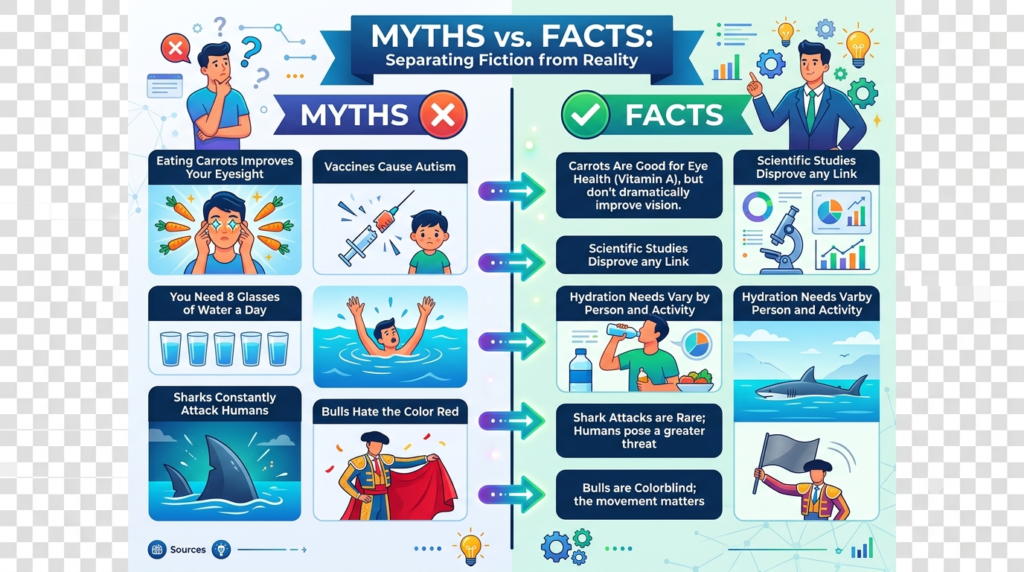
| Myth | Fact |
|---|---|
| A senior title automatically earns respect | Respect tends to follow consistent, reliable behavior over time, not rank |
| Career success mostly comes down to a few big decisions | Habits appear to outweigh individual decisions as a predictor of success |
| Remote workers are less engaged without office visibility | Some engagement data shows remote workers reporting higher engagement than on-site staff |
| Once you hit a senior title, the hard part is over | Higher-ranking employees often report more stress and lower wellbeing, not less |
Small Daily Choices Worth Making on Purpose

- Protect one real focus block a day. Even 60 uninterrupted minutes, done consistently, tends to beat the occasional all-nighter.
- Close the loop before opening a new one. Half-finished things quietly chip away at trust; finished ones build it back up.
- Ask the clarifying question before you assume. It’s a two-minute conversation that saves an afternoon of rework.
- Give feedback the same week, not the same quarter. Being timely matters more than being polished.
- Say what you’re going to do, then just… do that. Reliability is built one kept promise at a time, nothing flashier than that.
A Few Traps Worth Avoiding
- Waiting for a title change before you let yourself change your behavior.
- Mistaking busyness for follow-through they’re not the same thing.
- Assuming visibility to leadership matters more than reliability to the people beside you.
- Letting communication slide “because it’s not urgent yet” until it is.
- Measuring your week by hours logged instead of promises kept.
Research Spotlight
Microsoft’s Growth Mindset Transformation
The transformation of Microsoft under Satya Nadella, who was named CEO in 2014, didn’t start with new titles or reorganized departments. It kept leading instead by altering commonplace actions.
They promoted the adoption of a learn-it-all, not a know-it-all mindset and working across teams, plus more questions asked instead of solutions sought, and life-long learning.
Toyota Production System
Through Kaize continuous improvement Toyota earned a position as one of the most respected manufacturers in the world. In the day to day work every employee not just management is empowered to find and suggest solutions for inefficiencies.
Instead of depending entirely upon high-level management to rectify issues, Toyota gives authority to employees on the work floor to halt manufacture if they identify quality problems.
Questions People Actually Ask
Does a job title matter at all?
Sure, for the outside world pay bands, hiring decisions, how you show up in a LinkedIn search. But day-to-day, the trust and influence you actually feel at work comes from behavior, not the label on your badge.
Can habits really outweigh talent?
The research suggests habits are a steadier, more consistent predictor of career outcomes than raw talent or big decisions mostly because habits happen every day, while decisions happen occasionally.
Why do people with senior titles sometimes seem more stressed, not less?
Higher-ranking roles usually come with more responsibility and visibility, which can raise stress even as authority goes up. Title and wellbeing just aren’t tracking the same thing.
How do I actually start changing my daily choices without overhauling my whole routine?
Pick one thing — say, closing communication loops the same day they open — and stick with it for two weeks before adding anything else. Small and sustained beats big and short-lived.
Does working remotely hurt engagement?
Not necessarily. Some data shows remote employees reporting engagement on par with, or even higher than, in-office peers, depending on the company.
Is it still worth planning my career if habits matter more?
Yes just hold the plan loosely. It’s more of a compass than a guarantee. The research points to adaptability and daily behavior mattering more consistently than the plan itself.
What’s the fastest way to build trust at work?
Consistency on small stuff. Trust almost never comes from one big win it comes from a lot of kept promises nobody was really watching for.
Conclusion
Nobody remembers a coworker for their job title. They remember whether that person showed up, followed through. And made the people around them a little better at their own jobs.
Daily work choices are the whole film. If you want next year’s career story to read differently, the fastest rewrite probably isn’t a promotion it’s picking one small daily habit worth repeating and actually starting it today. So, what’s the one thing you’ll do differently tomorrow morning?