Introduction

Someone asked me this a couple weeks ago, actually why bother figuring out. How to build a personal brand when their job’s fine and they’re not trying to be an influencer. Good question, here’s the thing I told them: your brand exists whether you build it on purpose or not.
Someone forms an opinion of you off your LinkedIn photo, whatever you last posted (or didn’t). And whatever pops up when a client Googles your name five minutes before a call. You don’t get to opt out of that. The only real choice is whether you shape it or just… let it happen.
That’s really what learning how to build a personal brand comes down to. Not becoming a LinkedIn influencer, not posting a motivational quote every Monday morning. Just making sure the version of you that shows up online is actually the one doing you justice.
Why Bother Learning How to Build a Personal Brand in 2026
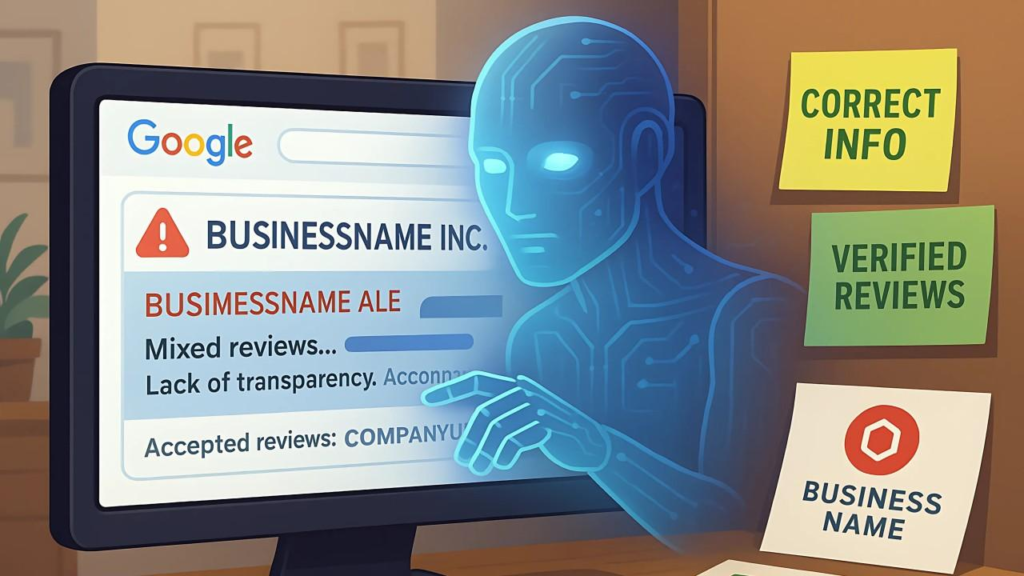
I’ll just say it: the timing matters more now than it did three or four years ago. Search has quietly changed underneath everyone. A huge chunk of Google searches now end without a single click. Because an AI summary just answers the question right there on the results page.
Which changes things. Existing online isn’t enough anymore you need to be known for something specific, so when someone (or, weirdly, some AI model crawling the web) is trying to figure out who’s actually credible in your space, your name is one of the ones that comes up.
Build Trust with an Authentic Personal Brand
There’s a trust piece too, and it’s not small. People trust other people even total strangers more than they trust a company’s messaging. That’s not fading either; if anything it’s getting stronger, mostly because feeds are filling up with content.
Funny enough, the more automated everything gets.The more an actual human voice sticks out.None of that means posting five times a day.
It means being deliberate about the two or three things you want to be known for, instead of hoping people just figure it out.
How to Build a Personal Brand

It’s not necessary to be an influencer or post every day to develop a personal brand. It starts with understanding what you’re good at, from self-presentation. And from regularly spreading value to the right audience.
Step 1: Get Honest About What You’re Known For
Before you touch a single profile setting, sit with this question for a second. If three people who’ve actually worked with you had to describe what you’re good at, in one line, what would they say? Not your job title. What you actually help people with.
This trips almost everyone up, because most of us are decent at five or six different things.Trying to brand yourself around all of them just makes you forgettable.
Pick the one or two threads that keep showing up in your actual work and lead with those. A marketer who’s “good at everything” disappears into the noise there are a thousand of those. A marketer specifically known for turning dry B2B products into content people actually want to read?
That sticks. Memorable is the whole game here.
| Question to Ask Yourself | What It Tells You |
|---|---|
| What do colleagues ask me for help with most? | Your natural area of authority |
| What do I talk about without being asked? | What actually interests you long-term |
| What result have I gotten repeatedly? | Proof you can point to, not just claims |
Step 2: Pick One Platform and Actually Commit
This is where I watch people quietly sabotage themselves, over and over. They sign up for LinkedIn, X, Instagram, and a newsletter in the same week, post twice on each, and burn out inside a month. Please don’t do that.
For most professionals and founders, LinkedIn’s still the strongest place to start it’s where hiring and referrals and actual B2B relationships happen. A complete profile genuinely pulls more attention than a half-filled one.
If you’re more consumer-facing or creative, Instagram or short-form video probably fits better. Either way pick one, Get decent at it. Only bother with a second platform once the first one stops feeling like a chore.
| Platform | Best For |
|---|---|
| Professionals, consultants, B2B founders | |
| Consumer brands, creatives, visual work | |
| A personal website | Owning your identity outside of algorithms |
Step 3: Fix Your Profile Before You Post Anything
Before you start posting content, optimize the key elements of your profile:
- Don’t post before optimizing your profile: A profile isn’t complete unless you post content, so don’t post before you optimize your profile. A really good post can fall flat if readers go to a profile page that wasn’t well written to explain who you are and what you do.
- Create a well-worded headline: Do not use an internal job title which only employees at your company could understand. Rather, describe your actions and how you provide support to others in terms that are simple and easy to understand.
- Improve your About section: Your About section should not be a long list of job titles, dates, and responsibilities.That’s a resume! Write it like you’re introducing yourself to a new person; explain what you have to offer.
- Use a professional headshot: Use a clear, professional quality photo of yourself. Do not have a blank avatar, logo or a photo of a group where everyone is blurry in these ways, your profile may seem less reliable and professional.
Step 4: Build a Simple Content Rhythm
In building a personal brand, remember that consistency is more important than perfection:
- Post consistently, not daily: It’s better to post two or three times per week for several months than to post heavily for a few months and then not post again for a long time.
- Share real experiences: Discuss what you have learned, what you have done wrong. What questions customers to often ask, or what you have learned from the work you do every day.
- Be authentic instead of perfect: Your content is more relatable and memorable because it’s in the form of a personal story, honest experience, and practical example.
- Create content people can connect with: People are more likely to connect with content that is based on authentic experiences rather than overly polished content that sounds like everyone else’s.
| Content Type | Why It Works |
|---|---|
| Lessons from real mistakes | Feels honest, not performative |
| Answers to questions you get often | Solves a real problem for your audience |
| Opinions with a clear point of view | Makes you memorable, not generic |
How to Build a Personal Brand Without Sounding Like Everyone Else

Here’s something worth just saying plainly: a huge amount of content online right now sounds identical. Mostly because so much of it is quietly AI-written and never actually edited into a real voice afterward.
That’s not a knock on using AI for a rough first draft it’s a warning about hitting publish on that first draft unchanged. The people actually cutting through right now are the ones willing to sound a little rough around the edges. A little too specific, a little unfinished.
Write in Your Authentic Voice
What a real person sounds like, and somehow audiences can tell the difference even when they can’t quite explain how. If you’re stuck on tone, try this small trick. Write it the way you’d explain something to a smart friend over coffee, not the way you’d write a company announcement.
Then read it out loud. If it sounds like something a brand would say rather than something you’d actually say, rewrite it.
Mistakes That Quietly Kill a Personal Brand
If you are looking at creating a strong and credible personal brand, take care of these common mistakes:
- Posting inconsistently: Be inconsistent about posting for a couple of weeks and then not posting for months. It is like losing trust and momentum that you’ve built. It’s better to be consistent than to have bursts of activity.
- Excessive jargon: (Write as people speak). Short, simple, and easy-to-understand language is easier to understand and gets your audience to relate to you.
- Only looking at vanity metrics: Do not rely on impressions, likes or followers as the sole measure of success. It’s much more important to reach the right people and establish meaningful relationships.
- Connecting with everyone without purpose: Building your network is important, but by including random people without a reason. Your profile might seem active but not come across as having a recognizable identity. Work on building relevant links in your niche or field.
| Mistake | Fix |
|---|---|
| Posting inconsistently | Pick a realistic frequency and stick to it |
| Sounding generic or jargon-heavy | Write like you talk, not like a press release |
| Chasing every platform at once | Master one before adding another |
| Treating your profile like a resume | Write it around the value you offer, not your job history |
Where Personal Branding Is Headed

The direction seems fairly clear at this point: less about volume, more about being unmistakably known for one specific thing. As AI tools shape more of how people get discovered in the first place.
The professionals who come out ahead are the ones with a clear. Consistent point of view one that both humans and algorithms can actually recognize.
Imperfection, oddly, is turning into a credibility signal instead of something to hide. It’s basically proof that a real person, not some content pipeline, is behind the profile.
Personal Branding Success Stories
HubSpot – What Is Personal Branding?
According to HubSpot, Personal branding is about intentionally crafting the way in which people perceive your expertise and values.
Many professionals regularly post helpful and valuable information on LinkedIn, blogs, and more providing the opportunity to generat
Neil Patel – Turning Expertise into a Global Brand
Neil Patel For years, he has been creating personal brand by creating free and quality content on SEO and digital marketing. He has made himself one of the most well-known experts in the digital marketing industry, posting blogs, creating YouTube videos and podcasts.
Justin Welsh – Building a One-Person Business
Justin Welsh Shed the corporate world and dedicated himself to promoting his personal brand on LinkedIn as a SaaS executive. By consistently sharing practical business lessons, entrepreneurship insights individual’s reputation into a sustainable business.
Final Thoughts
No need to be your own new person in all this! Be honest about who you are, pick one platform and get your profile set up, and then post as you, not a caricature of everyone else.
That’s really most of the way to building a personal brand that really works over time, rather than a viral moment. Perform fewer actions than you believe you should. Simply begin and fine tune the process along the way.How long does it take to have a personal brand?
Frequently Asked Questions
In practical terms, it could take a couple months of consistent work before it feels as if you’re doing something.
The worst thing to do through a burn-out is to try, and say no. Target that one platform that users are truly on and go there first.
Inconsistency, hands down. The length of time that people cannot post leads to a loss of all of the trust built during the periods of posting.
Not really, no. Good personal brands are those that are ongoing and deliver real value or insight; self-promotional brands that contain no value will not hold anyone’s attention.
Leave a Reply