

Introduction
For years I thought bloating was just part of eating lunch. Almost every day, just like clockwork. I never thought about it, you just got used to it, right? Now I can only see that, it was my gut telling me something then that I wasn’t listening to.
I actually read information about gut health, rather than reaching for the antacid by habit. Most of that daily discomfort went away. Slowly, though. Not some miracle overnight fix; it took weeks before I even noticed the difference.
So let’s get into it properly what gut health actually means, why it reaches way past digestion. Which foods hold up under real research instead of whatever’s trending on wellness TikTok this particular week.
What Is Gut Health, Really?
Your gut isn’t just a tube food passes through on its way out the other end. It’s home to trillions of bacteria, fungi, and other microbes all lumped together under one umbrella term, the gut microbiome.
Scientists put the number somewhere between 500 and 1,000 bacterial species living in there at any given moment. Genuinely more than most people would guess if you stopped them on the street and asked.
Here’s the number that actually made me pause mid-scroll while I was researching this piece. The microbiome carries roughly 3.3 million unique genes.
Why Your Gut Microbiome Matters
The entire human genome, by comparison? About 21,000. That gap is enormous almost uncomfortable when you actually sit with it for a second. Your gut bacteria are quietly doing chemical work your own cells simply can’t pull off. Full stop, no asterisk.
Good gut health, in plain terms, just means a diverse, reasonably balanced mix of these microbes. Plenty of the helpful species, not too many troublemakers crowding them out.
Dysbiosis: When Your Gut Falls Out of Balance
When that balance tips the wrong way and it does, more often than people realize it’s called dysbiosis. It’s been tied to bloating, inflammation, and a weaker immune response. A lot to pin on bacteria you will genuinely never see.
Why Gut Health Affects More Than Digestion
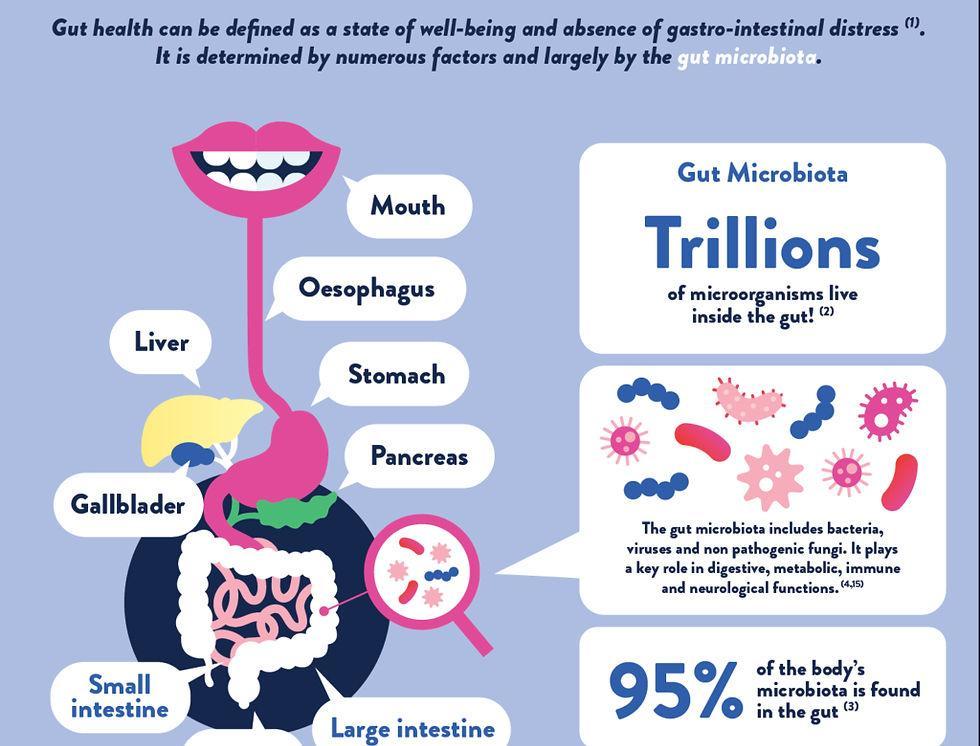
This is the part that surprised me most while digging through the research. Most people underestimate what’s actually happening down there, myself included until fairly recently.
The Gut-Brain Connection
Gut bacteria produce neurotransmitters, including serotonin and GABA. Yes the same chemicals tangled up in mood regulation. Researchers call this the gut-brain axis, and it keeps getting mapped in finer detail every year, not less.
Immune System Support
A big chunk of your immune system actually lives in your gut lining, which most people never think about until something goes wrong. A healthy microbiome helps keep that lining intact, and that matters, because a damaged lining sometimes nicknamed “leaky gut”.
It can let bacteria and food particles slip into your bloodstream. That tends to trigger inflammation nobody signed up for and nobody wants.
Metabolic Health
Fiber feeds the good bacteria in your gut, which produces short-chain fatty acids (SCFAs). That play a role in blood sugar levels, maintaining weight, and even cholesterol levels.
In a 2025 study published in the journal Nature, over 34,000 individuals were followed and a ranking list of microbiome species. That is most associated with improved metabolic markers was created. Thirty-four thousand. Not some little pilot that’s in a book that nobody reads..
Foods That Support Digestion (What Research Backs)
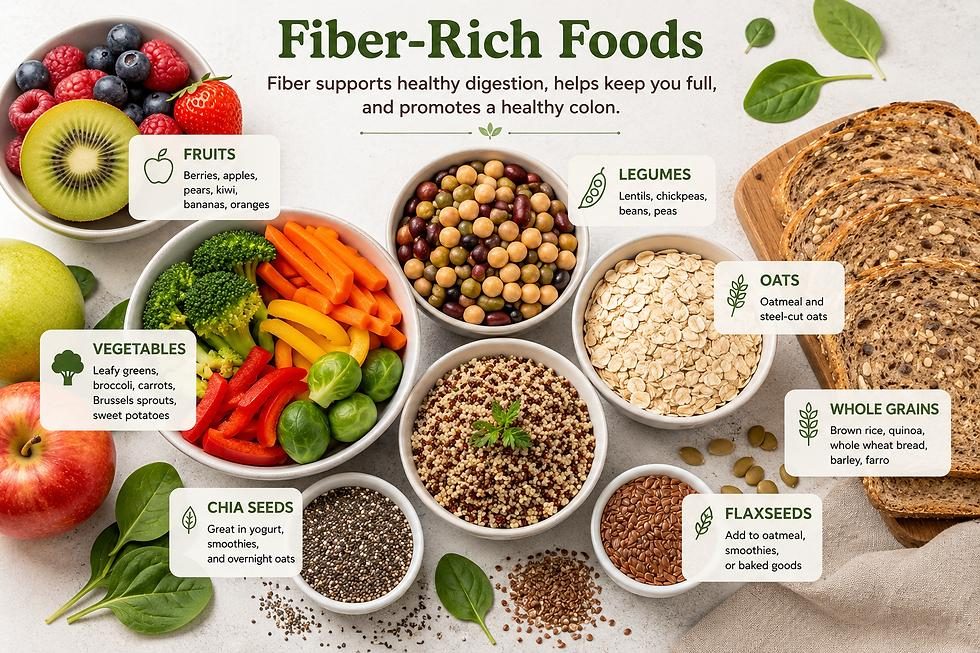
Alright here’s the part you actually came for. Not every “gut-healthy” food an influencer swears by holds up once you look closer. But a fair number of the basics genuinely do, and they’re less exciting than a supplement drop, admittedly.
That last row isn’t some throwaway wellness tip I added for padding. The recommended amount of fiber is 20-40 grams/day for most Americans, but varies by sex and age.
In 2026, NPR spoke with microbiome scientists, who referred to fiber as “the one most powerful, simplest lever you can have on gut health. Variety matters here almost as much as quantity does. Maybe more, honestly, based on how the numbers broke down.
Fiber Deserves Its Own Paragraph
Microbiome researchers interviewed by NPR in 2026 called fiber the single most powerful, simplest lever for gut health you have available. Simplest, not easiest there’s a real difference, and I learned it the hard way, mid-bloat, seriously questioning my recent life choices.
Ramp fiber up too fast and you’ll trigger bloating, which is more than a little ironic given the whole point of doing this. Slow and steady genuinely beats an ambitious overnight overhaul. Every single time, in my experience and apparently in the research too.
Fermented Foods, in Practice
Stanford researchers discovered that six servings of fermented foods each day over 17 days significantly reduced 19 different inflammatory markers. And boosted microbes in a randomized trial. Nineteen.
Within a span of 2+ weeks. That’s a tangible change relatively speaking after a relatively short period of time.
Foods That Can Work Against Your Gut
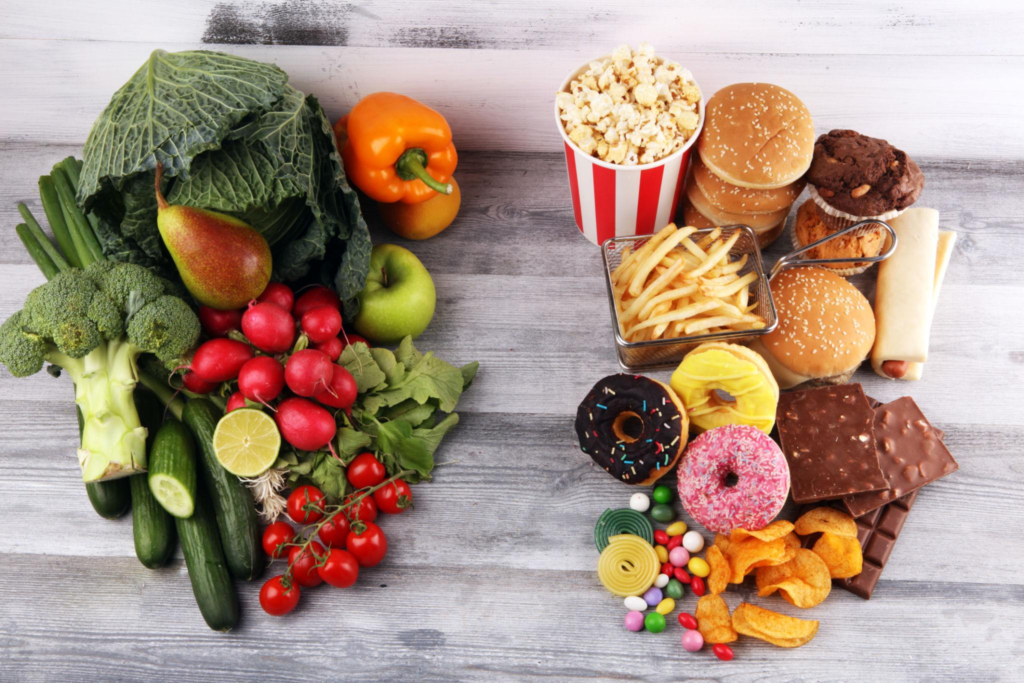
Gut health isn’t only about what you add in. What you cut back matters too, and that part gets skipped constantly in wellness content that’s mostly trying to sell you something in the same paragraph.
- Ultra-processed foods linked to reduced microbial diversity and fewer beneficial bacteria across several population studies
- Emulsifiers, common in plant milks and protein shakes shown in lab studies to potentially weaken the gut’s protective mucus lining
- Certain preservatives, like sodium benzoat may inhibit growth of some beneficial bacteria
- Very low-fiber diets tied to lower SCFA production and reduced microbial resilience over time
None of that means swearing off processed food entirely starting this afternoon, dramatically, forever. It just means balance beats treating any one food like the villain of the whole story.
A Simple Weekly Gut Health Checklist
Small, repeatable habits beat dramatic short-term resets almost every single time I’ve tried it either way. Here’s a realistic starting point, nothing extreme:
- Eat at least one fermented food daily yogurt, kefir, kimchi, whatever you’ll actually eat and not just buy once and forget in the fridge
- Aim for wider plant variety weekly, not just more of the same three vegetables you’ve been rotating since roughly college
- Add fiber gradually, not all in one ambitious, regrettable Monday morning
- Include a prebiotic vegetable garlic, onion, leeks most days, doesn’t need to be fancy
- Cut back on ultra-processed snacks where that’s realistic, not where it feels like punishment
- Prioritize sleep, since poor sleep has been shown to shift gut bacteria composition too which genuinely surprised me the first time I read it
Real-Life Examples
The Stanford fermented food trial
Stanford researchers ran a controlled study where one group increased fiber intake and another added fermented foods, tracked over roughly ten weeks. The fermented-food group saw increased microbial diversity plus a real drop in inflammatory markers.
FAQs
Which foods would you recommend for a healthy gut?
There is good evidence for the benefits of fiber-rich plants, fermented foods such as yogurt and kefir, as well as prebiotic vegetables like garlic and onions on microbial diversity and digestion.
How many days does it take to enhance the health of the gut?
Not necessarily. Whole fermented foods contain live bacteria naturally, while numerous supplements have not yet been shown to have a definite positive effect compared to foods, according to researchers.
Does gut health have an impact on mental health and mental well-being?
Yes, meaningfully so. The gut-brain axis is an active and continuous field of study and the gut produces Neurotransmitters such as serotonin and GABA which are known to affect our mood, anxiety and stress.
Can gut health affect mood and mental health?
Yes, meaningfully so. Gut bacteria produce neurotransmitters like serotonin and GABA, and the gut-brain axis remains an active, ongoing area of research into anxiety, mood, and stress.
But is bloating always a sign of poor gut health?
Not always. Bloating every now and then is quite common, particularly following a meal that contains a lot of fibre. If this is happening often or intensely, it is best to mention to a doctor as this can indicate other issues such as IBS.
What foods should I limit for better gut health?
Ultra-processed foods, certain emulsifiers, and very low-fiber diets are all linked to reduced microbial diversity in current research.
Conclusion: The Actionable Takeaway
Gut health isn’t a trend that needs supplements or some rigid protocol to chase down. The research keeps circling back to the same handful of basics more plant variety, regular fermented foods, gradual fiber increases, fewer ultra-processed meals.
Start small. Smaller than feels necessary, even. Add one fermented food this week. Try a vegetable you’ve walked past in the grocery store a dozen times but never actually bought.
Your gut responds faster than you’d think and so, usually, does the way you feel by the end of the week, in ways you might not even connect back to what you ate.
This article is for general educational purposes and isn’t a substitute for personalized medical advice. If you’re dealing with persistent digestive symptoms, talk to a doctor or registered dietitian.
Leave a Reply