Introduction
I got a text message from a buddy on this one last month. Okay, how the hell do people make money selling stuff online, like where can I even start. I believe I have encountered this a dozen, if not more times during the years.
Well, since I’m not going to retype it here’s the entire thing written correctly. Let’s start with a joke that we’ve heard many times before, and before anyone, “ecommerce is too saturated now.” I can comprehend what they are saying when they say it.
It’s not 2015 anymore, where you can create a simple Shopify shop, put a few Facebook ads up and have orders roll in just luckily enough. That era’s gone, but the market itself? Still growing.
Global online sales are expected to land somewhere around $6.9 trillion in 2026 roughly a fifth of all retail spending on the planet. That’s not a shrinking pie. It’s just a more crowded one, which means you need to be smarter about how you cut your slice.
Okay, But Is It Actually Worth Doing Right Now?
Here’s the thing that still surprises people: you genuinely don’t need much to start. A laptop and a free weekend can get a real, working store live. What’s changed isn’t the opportunity it’s the shopper. Almost half of online transactions today are made using a phone.
So if your website seems even slightly cumbersome on mobile, you’re losing out on customers before they have a chance to see your homepage. I am humbled to remember this number that I learnt first: approximately 70% of shopping carts are abandoned.
I don’t write this to give you a scare. It’s a general rule, most people never even plan, and just start building. And that is usually the reason that things fizzle out around month.
Step 1: Figure Out How You’re Actually Going to Sell
You are going to need to decide the way products are going to be transported from where to the customer hands before using a logo manufacturer or theme.
Dropshipping – You list the product and the supplier ships the product directly to the customer. You never touch the box.Cheap to start (the global dropshipping market’s now worth north of $470 billion, so clearly plenty of people make it work).
Holding your own inventory: more control, better margins usually, but you’re tying up real cash in stock sitting in a box. Somewhere before you even know if it’ll sell. Not great if you’re starting on a tight budget.
Print-on-demand: nothing gets made until somebody actually buys it. No inventory sitting around. A lot of people with a design idea in their head funny shirts, niche art. That kind of thing start here because the downside risk is basically nothing.
Dropshipping suits someone testing an idea without much money behind them. Holding inventory makes more sense once you’ve got some capital and want fatter margins. Print-on-demand fits anyone leaning on a design or a specific niche rather than a physical product they’re sourcing themselves.
Step 2: Actually Do the Niche Research (People Skip This Constantly)
This is, hands down, where I watch most first-time stores go wrong. They go wrong before they’ve even launched, they just don’t know it yet. The pattern’s always the same. Someone sees a product blowing up on TikTok, builds a whole store around it that weekend.
Then three months later can’t figure out why nobody’s buying. Usually it’s because they never actually asked whether there was real, lasting demand they just chased a moment. Do this instead. Go read what people actually complain about.
Reddit threads, Quora questions, the one-star reviews on a competitor’s Amazon listing people will tell you, unprompted, exactly. What’s annoying them about the options already out there.
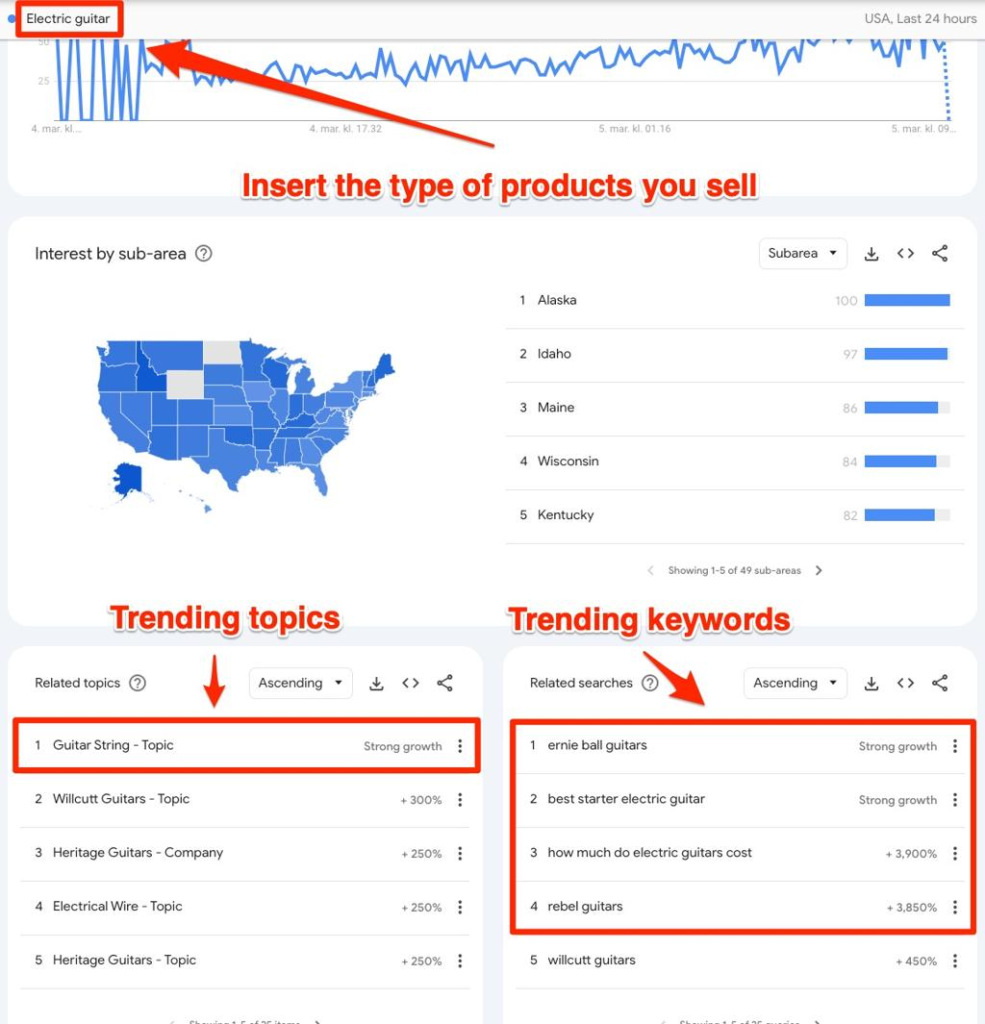
That’s free research sitting right there, and almost nobody bothers to collect it. Google Trends is also a good place to check – you don’t want to be trailing a trend that hit its peak 6 months ago. There’s a quick test I actually do use: If I can explain in one sentence why this is for me.
Step 3: Find Suppliers You Can Trust (Not Just the Cheapest One)
Once you know what you’re selling, sourcing is next, and honestly this is where a lot of quality headaches start because people rush it to save two weeks. For dropshipping, AliExpress, Spocket, and CJ Dropshipping are the usual first stops.
Don’t just grab whichever supplier has the lowest price read the reviews, and order a sample for yourself before it goes live on your store. You should know exactly what’s landing on your customer’s doorstep.
If you’re holding inventory, Alibaba connects you straight to manufacturers, but the same rule applies: order a small batch first. I’ve heard enough stories of people ordering a huge first run only to find a chunk of it defective, and by then the money’s already gone.
Step 4: Write Something That Counts as a Business Plan
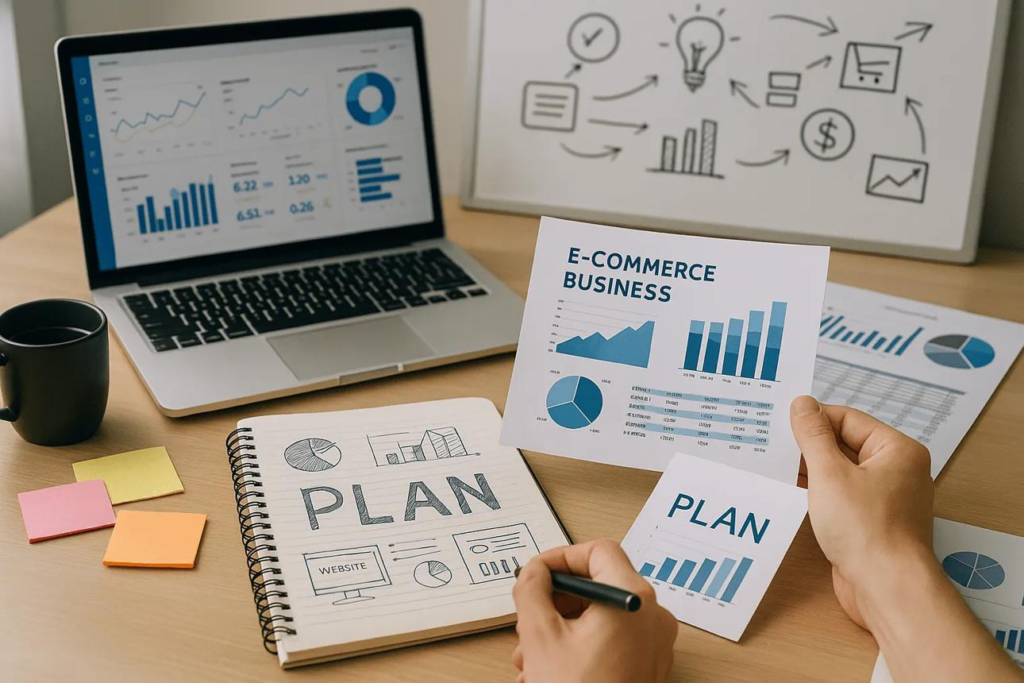
Not forty pages, nobody’s asking for that. Just be honest with yourself about four things what you’re selling, who it’s actually for. What it costs you versus what you’ll charge. Roughly how you plan to land your first hundred customers.
Sounds obvious when it’s written out like this. Most people still skip it. And it shows stores with even a rough written plan tend to outperform the ones running purely on vibes. Partly because writing it down forces you to notice the gaps before your money does.
Choosing a Platform: Shopify, WooCommerce, or BigCommerce
Beginners spend way too much time agonizing over this decision. I get it. It feels like the “real” first step. But truthfully, your platform rarely decides whether the store works out. Still, worth getting reasonably right so you’re not fighting your own tools every day.
Shopify’s the easiest on-ramp for most people everything’s built in, and the app store covers pretty much. Whatever you’ll need down the line. BigCommerce gives you more built-in muscle if you already know you’re planning to scale without stacking on a dozen extra apps.
WooCommerce makes sense if you’re already comfortable in WordPress and want more hands-on control over everything.
Domain, Branding, and Actually Designing the Thing
Grab a domain short enough that you could say it out loud to someone at a party without spelling it twice. Branding doesn’t need a $2,000 designer on day one it needs to look and feel the same whether someone’s on your site or scrolling your Instagram.
And please, resist the flashiest, most animated theme in the store. A plain, fast, mobile-friendly site will out-convert a “pretty” one that takes six seconds to load, every time, no exceptions I’ve ever seen.
Step 6: Payments and Shipping Boring, But This Is Where Money Leaks
Give people more than one way to pay. Card processing plus something like PayPal or Apple Pay payment friction at checkout genuinely kills sales, it’s not a minor detail. For shipping, pick your approach early: flat-rate, “free” baked into your prices, or real-time carrier rates passed straight through.
Whatever you choose, actually run the math against your margins before you launch. I’ve watched more than one store quietly lose money for months because nobody sat down and did that math on day one.
Step 7: Have Your Marketing Sorted Before Launch, Not After
Traffic doesn’t just show up because your store technically exists somewhere on the internet. You need at least one or two channels ready before you flip the switch, not a vague plan to “figure it out later.” Basic SEO real product descriptions instead of one lazy sentence, decent titles.
A site that loads fast pays off slowly, but it’s free traffic over time. Short-form video is increasingly where people first discover products now. Even if the actual purchase happens back on your site later.
Email is still one of the highest-performing channels out there, especially for chasing down abandoned carts. Which, remember, is about 70% of them. Paid ads on Meta, Google, or TikTok can speed things up considerably. But only once you actually know your numbers. Otherwise you’re just paying money to guess.
Legal Stuff, Taxes, Budgeting Nobody’s Favorite Part
Register a proper business structure, usually an LLC or your local equivalent, mainly for liability protection. Check what licenses your specific niche requires. Figure out your sales tax situation based on where you have “nexus,” which varies by state and country.
So check actual government sources rather than trusting a blog post including this one, to be fair. And keep business money and personal money in separate accounts from the very start. Future-you, sitting down at tax time, will genuinely thank present-you for this one small habit.
Mistakes That Quietly Kill New Stores
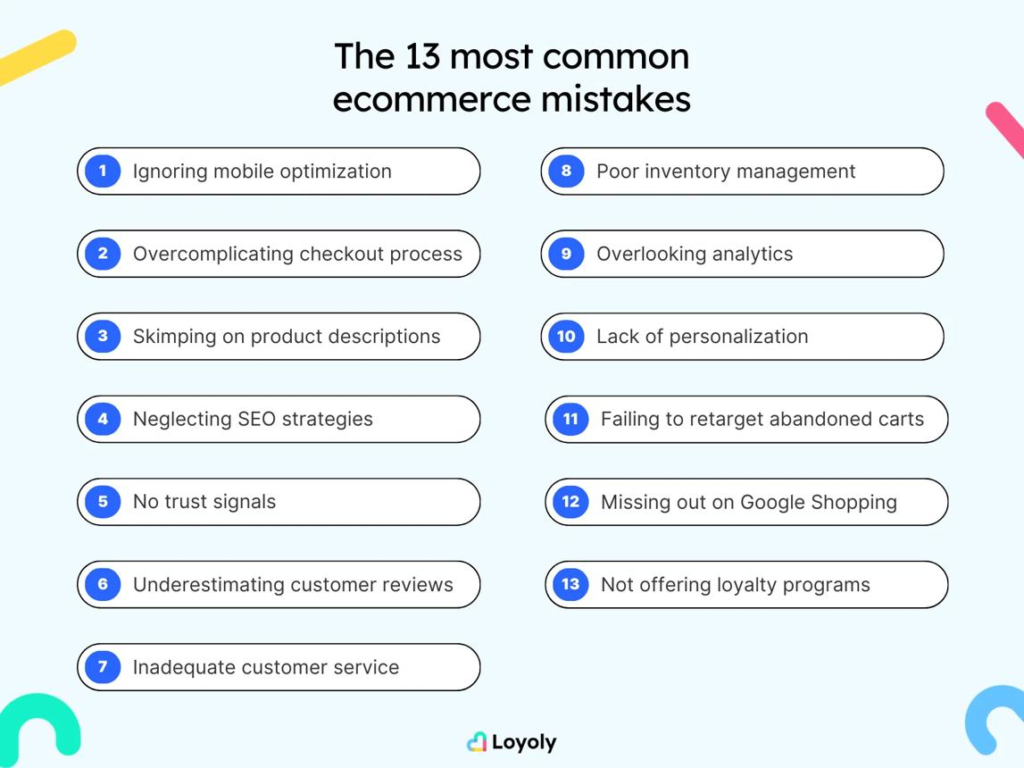
Skipping niche research and just going with a gut feeling. Guessing at pricing instead of testing it against real costs and what competitors charge. Building a site that looks fine on a laptop but falls apart on a phone. Product pages with one blurry photo and two lines of description.
Launching with zero marketing plan and hoping social proof just… appears. And one that doesn’t fit neatly into a list: cash flow. Plenty of stores look successful on paper because orders are coming in.
While quietly losing money underneath because nobody’s actually tracking margins closely enough. Revenue and profit are not the same thing, and mixing them up is how otherwise decent stores run out of runway without seeing it coming.
Research Spotlight
Gymshark – From a Garage Startup to a Global Fitness Brand
Gymshark’s inception was in 2012 when founder Ben Francis began a business out of his parents’ garage while working to delivery pizzas.
Rather than using costly advertising, they marketed through fitness influencers on YouTube and Instagram, which helped them to earn trust and reach their target audience.
Beardbrand – Solving a Niche Problem
Founded in 2012 by its CEO and founder, Eric Bandholz, Beardbrand was established when Bandholz realized there was a lack of products and good marketing for beards. Beardbrand didn’t go up against the big grooming companies, instead they went with education on YouTube, blogs and email marketing.
Final Thoughts
None of this is complicated in theory. Pick a niche, source it properly, choose a platform that actually fits how you work. And market it consistently instead of in random bursts. What separates the stores still standing a year from now from the roughly 90% that quietly vanish isn’t luck.
Real research instead of guesswork. Honest pricing. Treating marketing as part of the business from day one instead of something you’ll “get to eventually.” You don’t need everything perfect before you launch, nobody has that.
FAQs
How much money do I actually need to start an e-commerce business?
Somewhere between $300 and $1,500 covers most beginners platform fee, a domain, a few product samples, and a small marketing budget to get going.
Is dropshipping still worth it in 2026?
Yes, but margins are thin, so it works best when paired with real branding and consistent marketing rather than just listing random trending products and hoping.
Shopify, WooCommerce, or BigCommerce which one for a beginner?
Shopify, for most people, purely because it’s the least friction to get started. WooCommerce if you already know WordPress well.
How long before I actually see sales?
Realistically, a few months of steady effort. Anyone promising overnight results is selling you something else entirely.
What actually kills most new e-commerce stores?
Weak niche research and no real marketing plan, closely followed by nobody watching cash flow until it’s already a problem.
Leave a Reply