Introduction
A colleague asked me last month whether a paper she was citing in a grant proposal came from “a real journal.” Fair question; she’d found it in Bioresource Technology Reports. When she searched around, half the sites she landed on kept mixing it up with its older, much better-known sibling, Bioresource Technology.
Different journals, different numbers, same name, basically, if you’re skimming. That mix-up is actually a decent way into a more useful conversation. Bioresource Technology Reports just posted its highest impact factor yet: 5.30 for 2024, up from roughly 4.92 the year before, close to an 8% jump in a single year.
Nobody outside a fairly small circle of researchers noticed. But if you work in biotechnology, environmental engineering, or bioenergy, that number quietly does a lot of work. It shapes where scientists send their best material, it nudges funding decisions.
What Bioresource Technology Reports Actually Is
It is a journal that is online-only and focuses on topics relating to bioenergy and bio transformation, and bioresource management. Advanced work in the fields of Anaerobic Digestion/Biofuel Production/ Biomass Conversion/ Wastewater to resources. It was started as a satellite to Bioresource Technology,
The original flagship, primarily to provide researchers a quicker avenue for publishing applied research. Case studies that didn’t soar to the height of the parent journal’s bar, which brings me back to my colleague. The confusion isn’t really her fault the names practically invite it.
But it matters more than it seems if you cite the parent journal’s reputation while linking to a paper from the companion. You’re overstating how established your source is. In a grant proposal or an investor deck, that’s a small error with an outsized cost if someone checks.
The Numbers, Plainly
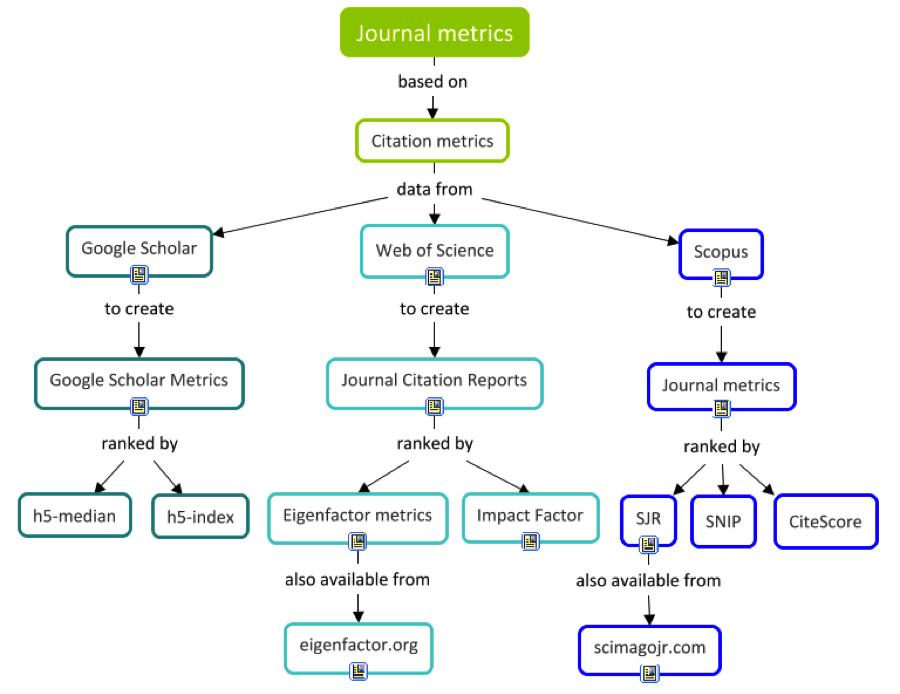
Impact factor for 2024 sits at 5.30, the highest in the journal’s seven-year history. Cite Score is 6. SJR SCImago Journal Rank, for anyone who hasn’t run into it comes in at 0.855, putting the journal in the Q3 quartile for its field. H-index is 58.
In 2025 alone, it published 421 articles, which is a lot of output for something this specialized. Set that against the parent journal. Bioresource Technology posted a 2024 impact factor of 11.46 and an h-index of 383. Big gap.
Real gap, not a knock against the Reports journal, though a newer, narrower outlet seldom catches a flagship with decades of citation history behind it. Slower growth here just means less time on the clock, not weaker science.
I keep reaching for the same comparison when I explain this: a five-year-old neighborhood restaurant next to a fifty-year-old institution with a citywide reputation. The food at the newer place might be just as good.
Might be better on a given night, honestly. It just hasn’t had fifty years to build the kind of word-of-mouth that fills tables without trying.
Why the Score Keeps Climbing
Usually it’s one of three things the field is growing, the journal is attracting more citable work, or both. Here it’s both, bioenergy and waste-to-resource research has expanded fast over the past five years. It’s pushed along by climate policy, circular-economy mandates, and corporate sustainability targets.
A journal sitting in the middle of that, putting out 400-plus papers a year, is going to see its citation count climb almost by default. Worth remembering if you’re picking where to publish or which sources to lean on.
A climbing impact factor in a growing field mostly signals momentum in the topic. It says nothing about whether the specific paper in front of you is any good.
What the Number Measures and What It Quietly Leaves Out
Impact factor, stripped down, is just an average. The average number of citations a journal’s articles pull in over a set window, usually two years. Useful shorthand, I use it too, but it has real blind spots. It rewards fields that cite quickly. Bioenergy and environmental engineering move fast right now.
So papers get cited sooner than they would in a slower-moving field, which inflates the number relative to disciplines where research takes years to build on itself. It also tells you nothing about any individual paper. A handful of heavily cited standouts can drag a journal’s average up while most articles sit well below it.
If you’re judging one specific study, don’t lean on the journal’s reputation pull that paper’s own citation count. Actually read the methodology, and it misses practical impact almost entirely. A pilot study on biogas yield from food waste might get cited less than a piece of purely theoretical work sitting right next to it in the same issue.
Even though the pilot study is the one an engineer actually pulls up to design something real. CiteScore and SJR patch some of this with different citation windows and source weighting. Which is really the whole argument for glancing at all three instead of anchoring on impact factor alone.
Why Any of This Matters If You’re Not in Academia

If you’re a biotechnology professional, a sustainability consultant, or someone building a case around bioenergy. Journal metrics aren’t just something academics argue about at conferences. They’re a filter you’re probably already using without thinking of it that way.
A journal with a rising, credible impact factor and a growing volume of published work. Which is exactly where Bioresource Technology Reports sits right now signals a maturing evidence base. That’s genuinely useful when you’re writing a grant proposal, doing due diligence for an investor.
Speaking for myself, here’s one factoid, not the whole story. When you begin using the journal, compare it with its own number of citations, authors’ experience and reputation. Methodology. Metrics will provide you with a good starting point. They were never meant to tell you where to stop.
Research Spotlight
Food Waste to Biogas
One practical example that was published in the Bioresource Technology Reports looks at the anaerobic digestion of food waste to produce biogas with a high methane content. The researchers concluded that this method cuts down on waste at the landfill, creates renewable energy and nutrient-rich digestate for use in farming.
The study reveals the potential of bioresource technologies for waste management and clean energy generation at the same time. Washburn and Panda 2016, Bioresource Technology Reports – ScienceDirect.
Smart Monitoring Improves Food Waste Biogas Production
One experiment showed that the addition science direct of IoT technology into an anaerobic digestion. System allowed researchers to monitor the pH, temperature, and gas production in real time. The method contributed to process stability and optimized the production of methane from food waste.
Thus, improving the efficiency of decentralized biogas plants. A study of the performance of an IoT-based ANAEROBIC DIGESTION of FOOD WASTE is conducted in this work. In this work, the performance of an IoT-based ANAEROBIC DIGESTION of FOOD WASTE is studied.
Where This Leaves You
Impact factor, CiteScore, and h-index compasses, not verdicts. The bad news is that the price of the Bioresource Technology Reports rose from 4.40 to 5.30. But the good news is that the area of bioenergy and waste-to-resource technology is heating up.
You are developing a career or business in this area. When the next time you are called upon to back up your own proposal, pitch deck, or strategy memo, read the paper first, then cite it. That habit, more than any number a journal carries, is the real difference between citing research well and just citing research.
Frequently Asked Questions
For a specialized, applied journal only seven years old, yes, genuinely. It’s above plenty of established journals in adjacent fields,
No, and I’d push back on that instinct pretty hard if a colleague brought it to me. Impact factor reflects a journal’s average citation behavior, not the quality of any one paper inside it.
Impact factor runs on a two-year citation window through Journal Citation Reports. CiteScore, from Scopus, stretches that to four years across a wider set of documents.
Mostly the field growing underneath it. More labs publishing in bioenergy and waste-to-resource research means more citable, related work in circulation. And that lifts citation counts across every journal in the space, not just this one.
Leave a Reply