Introduction
Nobody thinks about their immune system until it stops doing its job. You get a sore throat, or a fever that won’t budge, or you’re wiped out by the flu for a week straight. Suddenly it’s all you can think about, before that? Nothing, no credit given, ever.
However, your immune system didn’t turn off, as the first, scanning, sorting, shutting things down before you ever feel a symptom. Most days it wins so quietly, you’d have no idea there was even a fight.
That’s kind of the whole reason I wanted to write this. Not as trivia to bring up at dinner, but because once you actually understand what your body is doing every single day. You start looking at sleep, stress, food all the stuff you do on autopilot completely differently. So let’s get into how it actually works.
It’s Not One Thing. It’s a Whole Team.
Stop picturing your immune system as some kind of wall between you and germs. It’s closer to a security team spread across your entire body, and every member has a different job. White blood cells, lymph nodes, bone marrow, your spleen, even your skin all part of the crew, some are patrolling nonstop.
Others only show up when there’s a real threat that needs the specialists. The whole operation boils down to one question, asked constantly: is this you, or is this not you?
Anything that doesn’t fit is noted and handled, including bacteria, viruses, cells gone awry. It seems basic when you say it like that, it absolutely is not.
You Actually Have Two Immune Systems
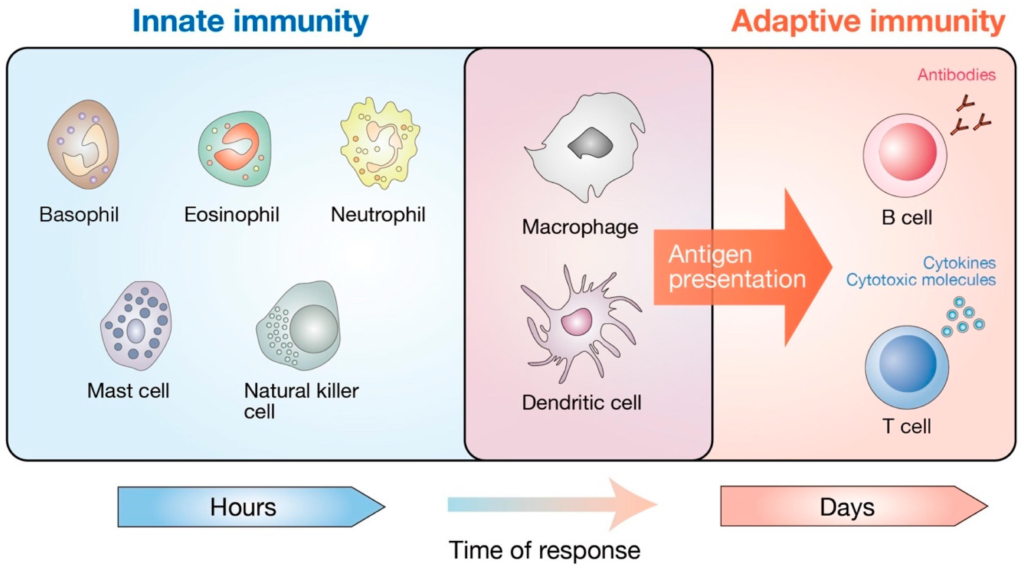
This is the part that surprised me most when I first learned it your body doesn’t rely on one immune system. It runs two, and they barely operate the same way.
Innate immunity is your first responder. Fast, general, no questions asked, you were born with this one. Your skin, your stomach acid, the mucus in your nose all part of it. Something looks off, it gets attacked immediately. No background check, no hesitation.
Adaptive immunity takes longer to kick in, but it’s the specialist. When you catch a cold, this is the layer that studies the virus up close and builds a response aimed specifically at it. Then this still gets me remembering it forever. That’s the entire reason you don’t get chickenpox twice.
Think of it like this, innate immunity is the guard stopping anyone sketchy at the door. Adaptive immunity is the detective who studies the intruder’s face and never forgets it. You need both, lose one, and you’ve got a gap big enough to walk right through.
A Completely Normal Day, From Your Immune System’s Point of View
Let’s make this less abstract, here’s what’s going on during a day you’d never think twice about.
You grab a door handle on your way into the office, covered in bacteria, obviously. Your skin technically the largest immune organ you have blocks most of it on contact. Whatever gets through runs straight into white blood cells patrolling just below the surface.
How Your Gut Helps Protect Your Body
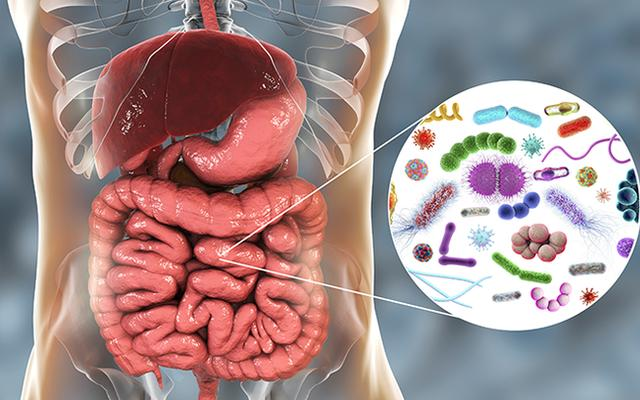
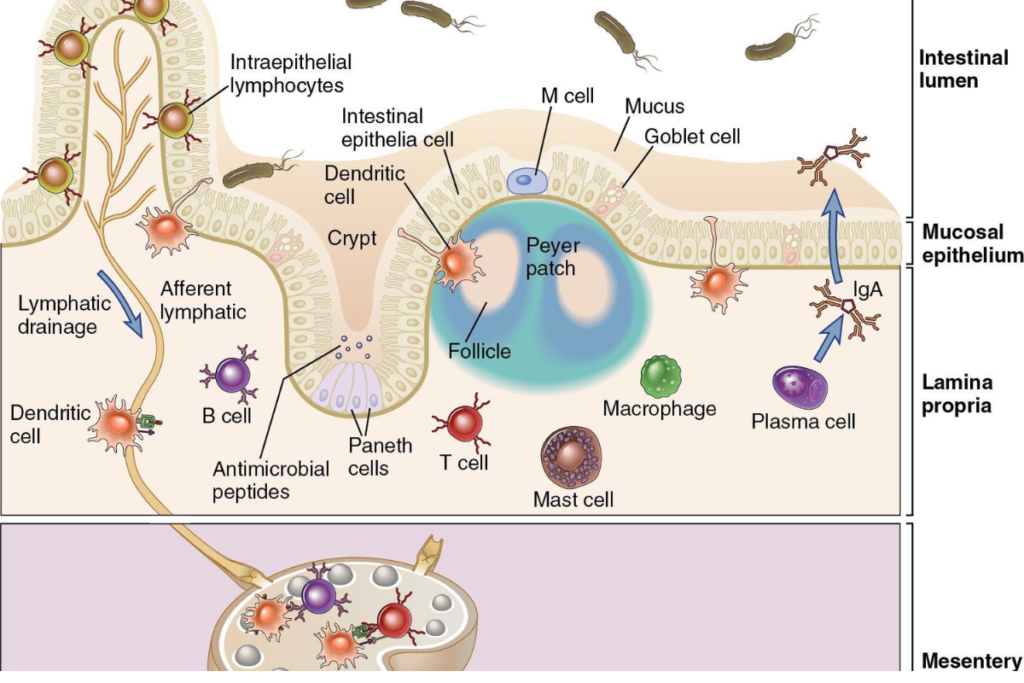
Lunch, along with your food comes a small dose of bacteria. Totally normal, your gut handles it, and here’s a stat that still throws people off. Something like 70% of your entire immune system lives in your gut, filtering things out through cells lining your intestinal walls.
Then the afternoon deadline hits, and your stress climbs. Cortisol spikes, small doses of that actually sharpen your immune response a little pressure isn’t the villain here. The problem is when that stress never lets up, week after week.
That’s when cortisol starts suppressing the very cells meant to protect you. Your body can handle a short burst, it was never built for a constant drip.
The Powerful Connection Between Sleep and Immunity
You sleep, and this is where the real repair work happens. Researchers publishing in the Journal of Experimental Medicine found certain immune cells work more efficiently. While you’re asleep which tracks, because anyone who’s chronically underslept seems to catch everything going around.
None of that took a single ounce of effort on your part. It just happened, quietly, while you lived your day like normal. That’s the part people miss most, your immune system isn’t some backup plan waiting in a drawer. It’s running constantly. It’s your default.
The Stuff That Wears It Down Without You Noticing
Nobody wakes up and decides to sabotage their immune system. It’s never that dramatic, it’s small habits, repeated for months. Nobody connects to their health until they’re getting sick way more than they used to and can’t figure out why.
A single night of sleep deprivation also negatively affects immune cell function. After only one night of sleep deprivation, immune cell function is impaired. Chronic Stress keeps cortisol elevated; your gut has a lot of your immune system. An out-of-balance gut can have a big impact on your immune system.
Sitting all day inhibits the effectiveness of immune cells to circulate. Studies of sick people go over and over the cases of deficiencies in nutrients including vitamin D, zinc, and vitamin C. All this is not done in one day.
It creeps in slow, which is exactly why it’s so easy to ignore until you’re the person who’s “always coming down with something.”
What Actually Helps (No Supplements Required)
You don’t need a cabinet full of pills or some extreme routine overhaul here. Honestly, the stuff that actually moves the needle is almost boring. Get 7 to 9 hours of sleep and make it as regular as possible your body loves routine. Walk at least once a day – 30 minutes if possible.
Diversity of fibre is the secret to feeding the germs your immune system depends on, therefore avoid feeding on several plants. Find a way to handle stress that works for you, like going outside for a short period, taking some deep breaths, or taking a mental break.
None of this is glamorous advice. But showing up for it consistently beats doing any one thing perfectly, every time.
Real Case Studies
Gut Health and Immunity
According to a report from Live Science, which was based on recent scientific studies, sleep deprivation may harm the digestive system by interfering with its natural regeneration process. A significant part of the immune system is associated with the gut.
So researchers hypothesize that chronic sleep loss could have a downstream effect on immune function through its impact on gut health.
Conclusion
Your immune system is one of the most tireless systems in your body that works around the clock, without your notice. It supports your health every day, without you ever knowing it, and without needing to take a pill for it.
It helps you identify dangerous bacteria and viruses and even helps you remember past infections that you’ve had. Although it is true that no lifestyle will ensure you never suffer from illness. Your daily habits do make a big difference to the way in which your immune system is able to function.
Good sleep habits, a nutritious diet with fiber and nutrients, regular physical activity, stress management and good gut health all help maintain your body’s natural defense.
People Also Ask
The immune system consists of a complex network of cells, tissues and organs which protects your body from harmful bacteria, viruses, fungi, parasites and other disease-causing organisms. It also helps to detect and eliminate abnormal or damaged cells.
There are two components of your immune system: Innate immunity: The body’s initial immunity which is rapid and immediate. Adaptive immunity: A spe
Absolutely, your body generates and regulates immune cells and proteins while you are asleep, which helps you to combat infections. A chronic lack of sleep can compromise the immune system and make people more susceptible to disease.
Yes, stress is healthy in short bursts, but when stress becomes chronic cortisol can remain high and immune cells are less effective and the body will find it more difficult to ward off infections.
Around 70% of the body’s immune cells are located in the gut-associated lymphoid tissue (GALT). A healthy gut microbiome aids in the regulation of immune responses and in the body’s defense against harmful microbes.
Leave a Reply